The Debate Over Rodeo Animal Welfare in Canada
The debate over animal welfare in rodeo events continues to spark discussion across Canada. Animal Justice raised the alarm over rodeo events that took place at the Canadian Finals Rodeo (CFR) in October, which they say may have violated Alberta’s Animal Protection Act.
Animal Justice has submitted a complaint to the Edmonton Police Service and the City of Edmonton Animal Care and Control to monitor the events and take action as needed.
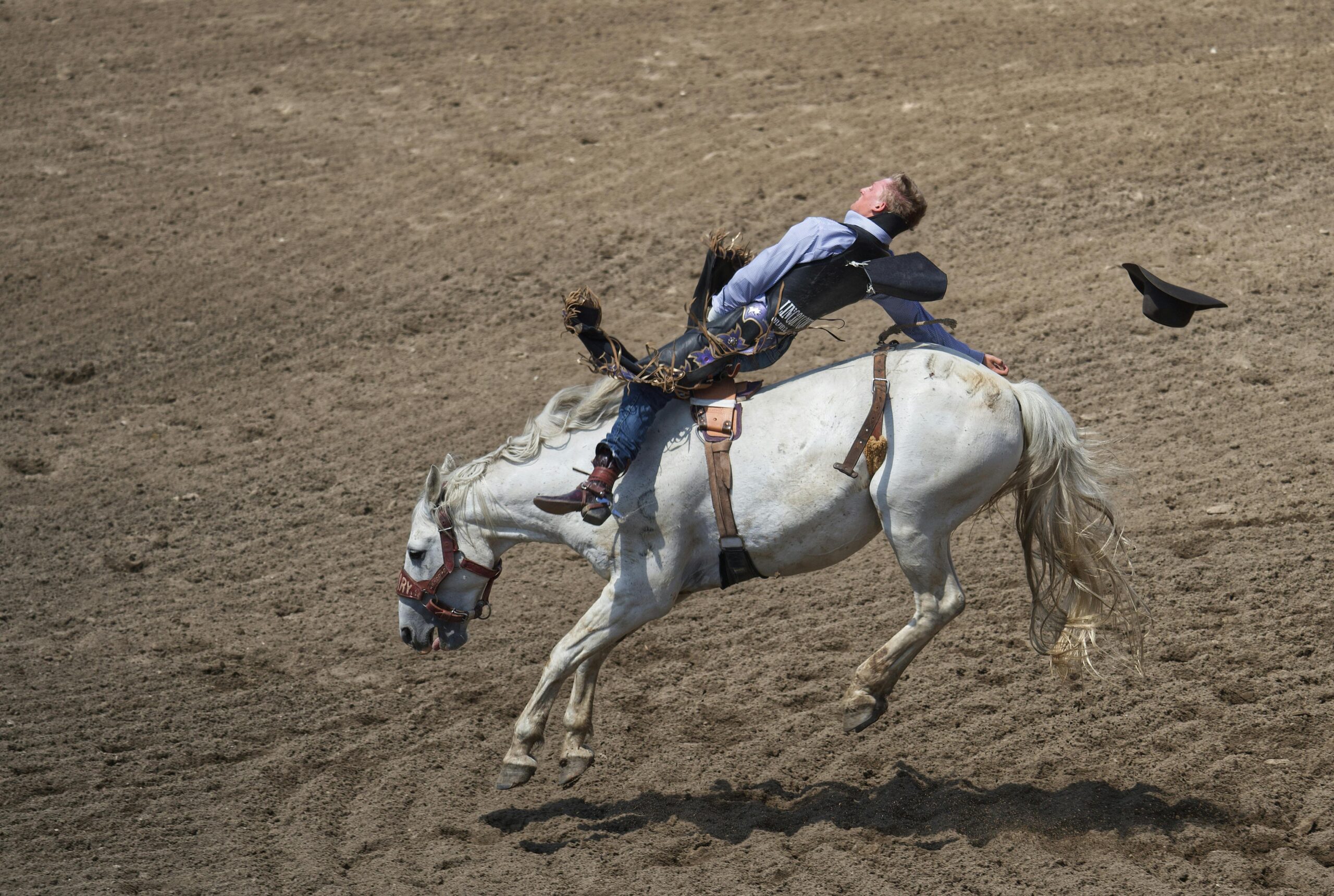
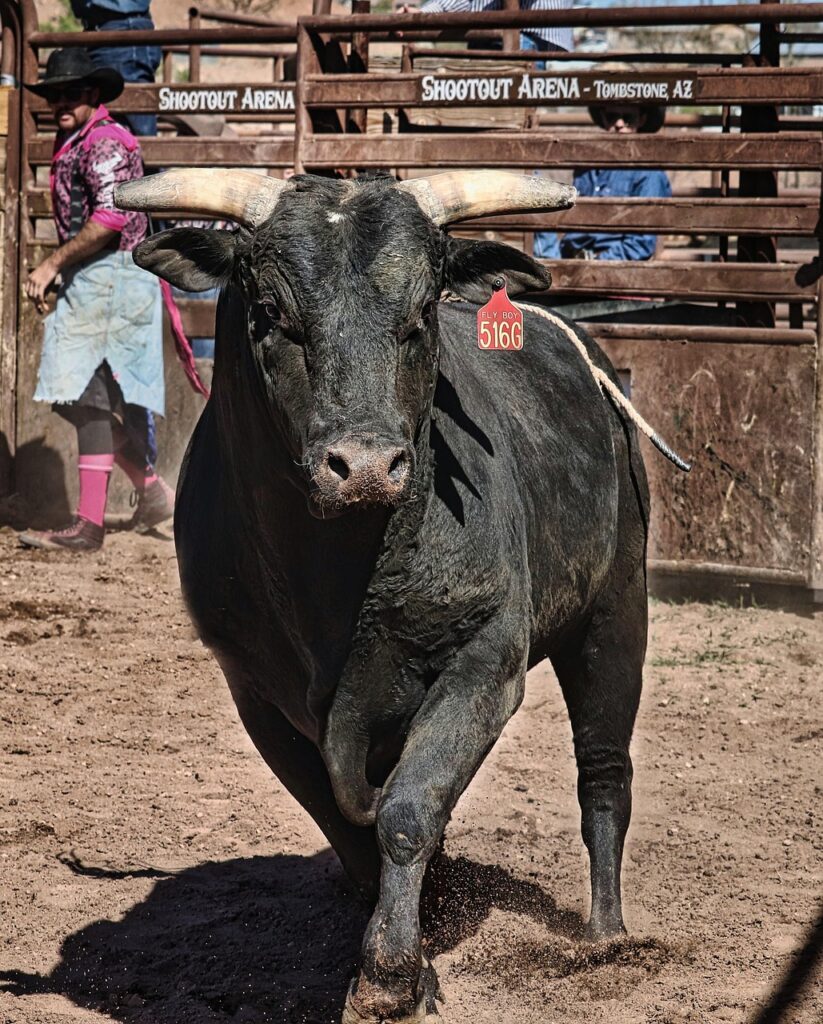
Events such as calf roping, steer wrestling, goat tying, and bull and bronc riding have become central to the animal welfare debate surrounding Canadian rodeos.
Animal Justice is opposed to steer wrestling and calf roping events in particular, and is urging Alberta’s authorities to prohibit them, claiming that they conflict with Alberta’s Animal Protection Act.
Animal advocates argue that these events often force animals — many of them young — to experience fear, stress, and physical risk for the sake of entertainment before large crowds.
They describe the practices as exploitative, saying the animals’ reactions to discomfort and agitation are used as part of the spectacle. Advocates also note that handling, loud noise, and unfamiliar surroundings can further heighten the animals’ distress.
What Is Calf Roping and Why Is It Controversial?
Calf roping, for example, is a timed event where animal handlers agitate a calf who is held in a chute before being released into an arena where it is chased by a horse and rider.
The calf will run at speeds of up to 27 miles an hour, and is roped around the neck and jerked to a sudden stop. If the calf tries to get up, it will be thrown onto the ground and three of their feet will be tied together.

Animal welfare groups report that injuries and deaths occur regularly in rodeos. Chantal Archambault of the Vancouver Humane Society says that 109 animals have died at the Calgary Stampede ever since the fatalities started to be recorded, beginning in 1986.
“That’s just the deaths that we know of,” stated Archambault. “I would really question what is entertaining about seeing animals suffer.” She explains, “These animals are not only facing fear and stress inherently in these events, but a risk to their lives.”
Animal Justice also raised concerns about the annual Calgary Stampede, which saw near record-breaking attendance of 1.4 million visitors in 2025. In addition to the economic benefits the event brings, supporters argue that ending it would mean losing an important part of Canada’s Western heritage and culture.
However, critics contend that rodeos are not an authentic reflection of Old West traditions. They point out that the Calgary Stampede was founded in 1923 by an American rodeo promoter, and that about 80 percent of its performers are American, while the livestock is primarily Canadian. Animal Justice further notes that in 2024, many of the major event winners were U.S.-based contestants.
Camille Lambchuk, the executive director of Animal Justice, has stated that it is at least time to challenge rodeos and the treatment of rodeo animals as illegal. Animal Justice’s Edmonton-based lawyer, Jessica Schwartz, said that “Events like tie-down calf roping, steer wrestling, and goat tying are particularly outdated.
At a minimum, these events should be closely monitored, if not cancelled, as they are likely at odds with Alberta’s Animal Protection Act and increasingly out of step with Albertans’ values of compassion and care for animals.”
Calgary Stampede Defends Its Animal Care Standards
The Calgary Stampede, on the other hand, says it is committed to animal care based on three standards: the regulations set out in Alberta’s Animal Protection Act, the codes of best practices recommended by Canadian industry experts, and the Stampede’s own animal care code of practice.
“This is an ongoing initiative for all of us to continually improve all of our programming,” said Kristina Barnes, the Stampede’s Director of Agriculture and Western Events. “We want the animals and owners to be safe and to have a great experience when they’re here — that’s why we continue to build and improve on what we do year after year.”
The Alberta Animal Protection Act allows for enforcement by peace officers and some municipal roles, though oversight arrangements vary by city. In Calgary, the Calgary Humane Society has a role in reporting and investigation under the Act.
Meanwhile, in 2024, the Vancouver Humane Society, a separate organization, led a billboard campaign in Calgary urging people to avoid rodeo events and raising awareness about animal welfare concerns, with ads stating that rodeo animals aren’t performers and are suffering.
The group also filed a cruelty complaint in British Columbia after footage from a local rodeo showed the alleged use of electric prods on animals — a move that reflects its continued commitment to challenging inhumane rodeo practices.
Animal Justice continues to call for stronger enforcement of existing animal welfare laws at rodeo events. The organization encourages members of the public to report potential animal cruelty cases and to stay informed about legislative developments through its website at animaljustice.ca. The broader debate over rodeos and animal welfare remains ongoing, with advocates pressing for reform while supporters emphasize tradition, culture, and community impact.
While the debate over rodeos focuses on the use of animals for entertainment, horses also play an important role in supporting people through therapeutic and adaptive riding programs. Learn how equine-assisted services are helping children and adults improve their physical, emotional, and cognitive well-being through our guide to equine therapy and therapeutic riding in Canada. You can also explore CharityAxess to discover animal welfare charities, rescues, sanctuaries, and conservation organizations working across Canada.
Written by: Abirame Shanthakumar, Volunteer Contributing Writer, CharityAxess Writers Program
About the Writer: Abirame Shanthakumar is a volunteer writer with CharityAxess who is passionate about animal welfare, environmental issues, and global development. She has written on topics such as engineering, sustainability, and poverty alleviation, using her writing to highlight the role of charities in driving positive change. In her spare time, Abirame enjoys reading, writing fiction, and spending time outdoors with a good cup of coffee in hand. Her work with CharityAxess reflects her strong belief in advocacy, compassion, and storytelling for impact.