From Birth to Balance: The Postpartum Lifeline in BC
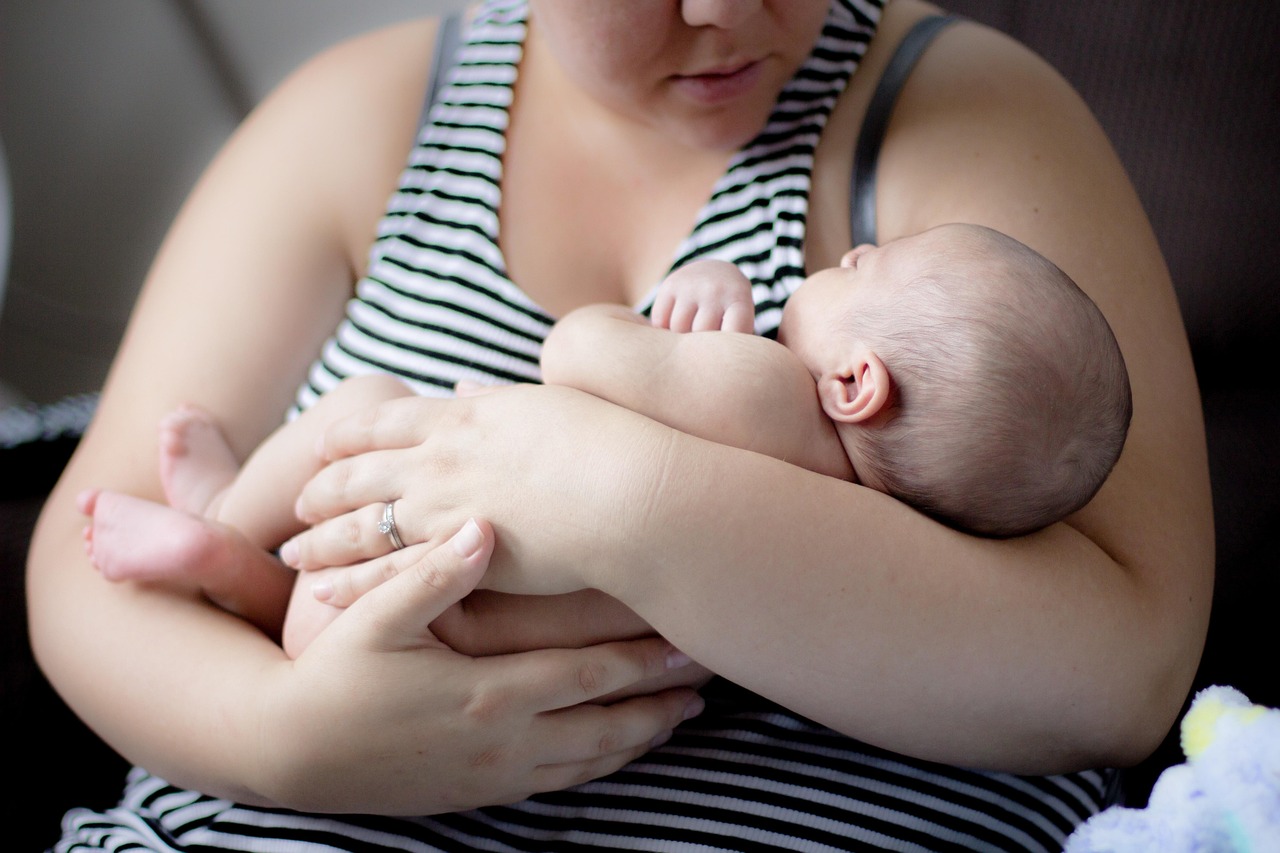
Across Canada, the arrival of a new baby is often framed as a soft and gentle chapter filled with tiny clothes, warm cuddles, and the hum of excitement around a growing family. But beneath that joy, many women face a reality that is far more complex. The postpartum period is a time of intense physical recovery, emotional strain, and major hormonal shifts. While loved ones naturally focus on the newborn, the person who carried and delivered that child can easily fade into the background.
It is easy to assume that the hardest part ends with birth, but the weeks and months that follow often bring some of the biggest challenges. Sleeplessness, breastfeeding complications, healing from delivery, and social pressure to instantly “bounce back” can create a draining and isolating environment.
A Growing Need for Support in British Columbia
According to the BC Women’s Health Foundation, postpartum depression and anxiety affect nearly one in five women in Canada and about 23 percent of new mothers in British Columbia. These struggles often stay hidden behind forced smiles and quick phrases like “I’m fine.” Without compassionate support, feelings of fear, shame, and isolation can grow quickly.
Many mothers hesitate to ask for help. Some do not recognize their symptoms as anything more than exhaustion. Others simply do not know where to turn.
A systematic review published by the National Institutes of Health shows that postpartum mental health challenges affect more than the individual. Untreated depression can influence long-term well-being, strain relationships, and contribute to developmental or emotional difficulties in children. In a country aiming for greater maternal health equity, especially for Indigenous, Black, rural, and low-income families, accessible postpartum support is essential.
When support systems fall short, community-based organizations become a crucial lifeline. This is where the Pacific Post Partum Support Society (PPPSS) and the BC Association of Pregnancy Outreach Programs (BCAPOP) step in. They meet women where they are, offering judgment-free care grounded in understanding and connection.
Pacific Post Partum Support Society (PPPSS)
For more than 50 years, PPPSS has been a trusted resource for parents navigating the emotional and mental challenges of early parenthood. What began as a small group of mothers sharing experiences has grown into a province-wide network offering phone and text support, weekly group counselling, partner education sessions, workshops, and resources for families of all kinds.
PPPSS recognizes that postpartum depression and anxiety arise not only from biological changes but also from social factors like isolation, lack of childcare, discrimination, and economic pressures. By combining evidence-informed approaches with peer-based support, they create a safe space where parents can share openly, rebuild confidence, and learn skills that strengthen both their well-being and their family relationships.
Why support PPPSS
Their services fill a critical gap in Canada’s mental health system. Many parents do not meet the thresholds for clinical intervention or do not know how to navigate the system, yet they still need help. Supporting PPPSS reduces mental health crises, improves parent-child bonding, lowers long-term healthcare costs, and strengthens families across British Columbia.
BC Association of Pregnancy Outreach Programs (BCAPOP)
BCAPOP is a registered charity representing more than 70 member programs and 550 perinatal professionals and peer workers across British Columbia. Founded in 1996 and granted charitable status in 2020, BCAPOP provides leadership, training, advocacy, and resources to improve outcomes for pregnant, postpartum, and new parenting families. Their mission is to ensure that all parents, regardless of circumstance, have barrier-free access to education, support, and essential prenatal and postpartum care.
BCAPOP supports families by distributing free prenatal vitamins, offering professional training for nurses, doulas, and outreach workers, and leading provincial programs such as the Healthy Care Pregnancy Program, which supports parents who use substances. They also manage The Pregnancy HUB, an online platform that connects parents to reliable information and local services. Through these initiatives, BCAPOP helps close gaps in maternal care and offers judgment-free support to families across the province.
Why support BCAPOP
Their early-intervention model helps reduce premature births and complications, promotes healthy infant brain development, prevents long-term involvement with child welfare systems, and strengthens the perinatal workforce, especially in rural and remote communities. Supporting BCAPOP directly improves outcomes for families and contributes to the long-term health of children and parents across British Columbia.
Building a Healthier Future for Families
Supporting these charities is more than an act of generosity. It is a direct investment in healthier families, stronger children, and resilient communities. Readers can make a meaningful difference by donating to programs, workshops, and helplines, or by volunteering their time and skills with organizations like PPPSS and BCAPOP. Every contribution helps ensure that no woman faces the postpartum journey alone.By uplifting the people who bring new life into the world, we strengthen not only individual families but the foundation of society itself.
About the Writer: Nayani Abeysekera is a third-year Life Sciences student at the University of Toronto, double majoring in Psychology and Human Biology. Ever since she learned to write, storytelling has been her favourite way to make sense of the world. Passionate about women’s health, mental health, and community well-being, Nayani combines research and empathy to share stories that comfort, challenge, and connect.