Four Key Initiatives Driving Change for Animals in Canada
The Animal Alliance of Canada is a federally incorporated non-profit committed to the protection of all animals and the relationship between humans, non-human species, and the environment. The organization uses electoral politics, advocacy, and lobbying to encourage legislators to pass stronger animal and environmental laws.
Founded in August 1990, the charity fights institutionalized cruelty, whether it’s the killing of wildlife in the name of management, the inhumane transportation of farmed animals, or the commercial slaughter of wild species. In 2005, it created the Animal Alliance Environment Voters Party of Canada (now the Animal Protection Party of Canada), North America’s first political party focused solely on environmental and animal protection. Through its expertise, the organization brings political relevance to progressive environmental and animal welfare policies at all levels of government.
Below are four ways The Animal Alliance of Canada is supporting animal welfare today.
1. Ending the Use of Cats and Dogs in Research
Every year, large numbers of cats and dogs are used for research in Ontario. Between 2018 and 2022, more than 22,000 cats and dogs were used, and over 13,000 were acquired from municipal pounds or through the “Donated By Owner” category.
Under Ontario’s Animals for Research Act, researchers can obtain cats for as little as two dollars and dogs for six dollars from municipal shelters. Ontario is the only province with legislation that governs how animals are acquired for research, and these outdated rules allow research facilities to access animals at very low cost.
The Animal Alliance of Canada is working to amend this legislation, strengthen protections for companion animals, and increase transparency and accountability among research institutions.
2. Challenging Agricultural Gag (Ag-Gag) Laws
Ontario’s Conservative government passed Bill 156, the Security from Trespass and Protecting Food Safety Act, commonly referred to as an Ag-Gag law. These laws restrict undercover investigations and whistleblowing, which have historically played an important role in exposing abuses in the agricultural sector.
Farmed animals are often kept out of public view, making it difficult for cases of neglect or mistreatment to come to light. Whistleblowers and investigators provide essential oversight, yet Bill 156 would criminalize undercover investigations and discourage individuals from reporting unsafe or unethical conditions, including conditions that affect human workers.
While these laws are framed as biosecurity measures, critics argue that limiting public oversight does not improve food safety. Instead, Ag-Gag laws primarily protect farm owners and leave farmed animals, workers, and the general public without meaningful safeguards.
3. Ending the Unethical Use of Animals in Military Trauma Training
The Department of National Defence (DND) continues to rely on animal-based training methods that many consider outdated and unnecessary. Historically, animals were used by Canada’s military to carry loads, detect gas, find mines, and deliver messages. Today, several DND research facilities still conduct animal experimentation.
At the Suffield Research Centre in Medicine Hat, Alberta, research includes chemical and biological defence, toxicology, explosive threat assessments, and blast effects. The Toronto Research Centre collaborates with the University of Alberta and private companies on radiological and nuclear defence research. In Winnipeg, the DND works with the Canadian Science Centre for Human and Animal Health, a Level 4 infectious disease laboratory that studies agents such as Ebola.
Animals involved in these programs have been exposed to highly invasive procedures, including testing chemical and biological agents, inflicting wounds such as head injuries, and testing vaccines for biological warfare threats. The Animal Alliance of Canada advocates for modern, humane alternatives that protect both military personnel and animals.
4. Ending the Import of Cambodian Macaques into Canada for Research
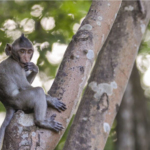
Thousands of Cambodian long-tailed macaques are imported into Canada each year for research purposes. Many of these macaques are believed to be illegally taken from the wild. The long-tailed macaque is listed as Endangered by the International Union for Conservation of Nature (IUCN), and wild populations are declining.
Their capture has been linked to the global research trade, where social and intelligent primates are sold to laboratories in Canada and other countries. Beyond the ethical concerns, trafficking wild macaques raises public health and conservation risks.
The Animal Alliance of Canada is calling for an end to the importation and use of these endangered primates and for stronger protections to safeguard wild populations.
You can support The Animal Alliance of Canada by donating here.
About the Writer: Abirame Shanthakumar is a volunteer writer with CharityAxess who is passionate about animal welfare, environmental issues, and global development. She has written on topics such as engineering, sustainability, and poverty alleviation, using her writing to highlight the role of charities in driving positive change. In her spare time, Abirame enjoys reading, writing fiction, and spending time outdoors with a good cup of coffee in hand. Her work with CharityAxess reflects her strong belief in advocacy, compassion, and storytelling for impact.
Photo Credit: Anton L. Delgado / Southeast Asia Globe