Manitoba: The Hidden Side Effects of Saving a Child
For decades, pediatric medicine had one primary goal: survival. If a child lived through a traumatic head injury or a devastating cancer diagnosis, the treatment was considered a success. But as medical advances improved survival rates, a new and often overlooked challenge began to emerge.
What happens when the chemotherapy that saves a child’s life also permanently damages their hearing? What happens when a teenager recovers physically from a sports concussion but continues to struggle with severe anxiety years later?
Today, survival is no longer the only outcome that matters. In Manitoba, an innovative approach known as Precision Health is reshaping pediatric care. Led by the Children's Hospital Research Institute of Manitoba, doctors and researchers are finding ways to treat disease without causing lasting harm to a child’s development and well-being. And surprisingly, the advanced technology behind this shift is being supported by hot dog stands, tabletop gamers, and local restaurants.
Buying the Future: A “Crystal Ball” for Chemotherapy
Cisplatin is a highly effective chemotherapy drug used to treat many childhood cancers. However, it is not precise. While it destroys cancer cells, it can also cause permanent hearing loss, especially in young children whose auditory systems are still developing. Up to 75 percent of patients aged five and under experience hearing loss within three years of treatment.
Instead of accepting this outcome, Manitoba researchers are shifting from reactive care to predictive care. Dr. Britt Drögemöller, a Canada Research Chair at the Children's Hospital Research Institute of Manitoba, is developing what is known as a polygenic risk score. Using advanced genomic technology, including the 10x Genomics Xenium platform, her team is working to predict which children are most at risk of hearing loss before treatment even begins.
This level of precision is transformative. A recently approved protective drug can reduce this type of hearing loss by about half. With better prediction tools, doctors can identify which children need additional protection alongside their chemotherapy.
This work is made possible through philanthropic support. Pilot studies like Dr. Drögemöller’s are funded by organizations such as the HSC Foundation, while the broader pediatric oncology research system in Manitoba is supported by the CancerCare Manitoba Foundation. Together, these investments help prevent lifelong disabilities before they occur.
From Hot Dogs to High-Tech: The Power of Community
Behind every breakthrough in Precision Health is a community of Manitobans committed to making it possible. Advancing this kind of research is expensive, and it depends heavily on the support of the Children's Hospital Foundation of Manitoba.
What makes this model unique is how it is funded. You do not need to be a millionaire to support advanced medical technology. Across the province, people are finding creative ways to contribute through their businesses, hobbies, and everyday efforts.
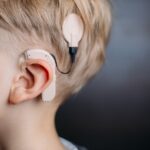
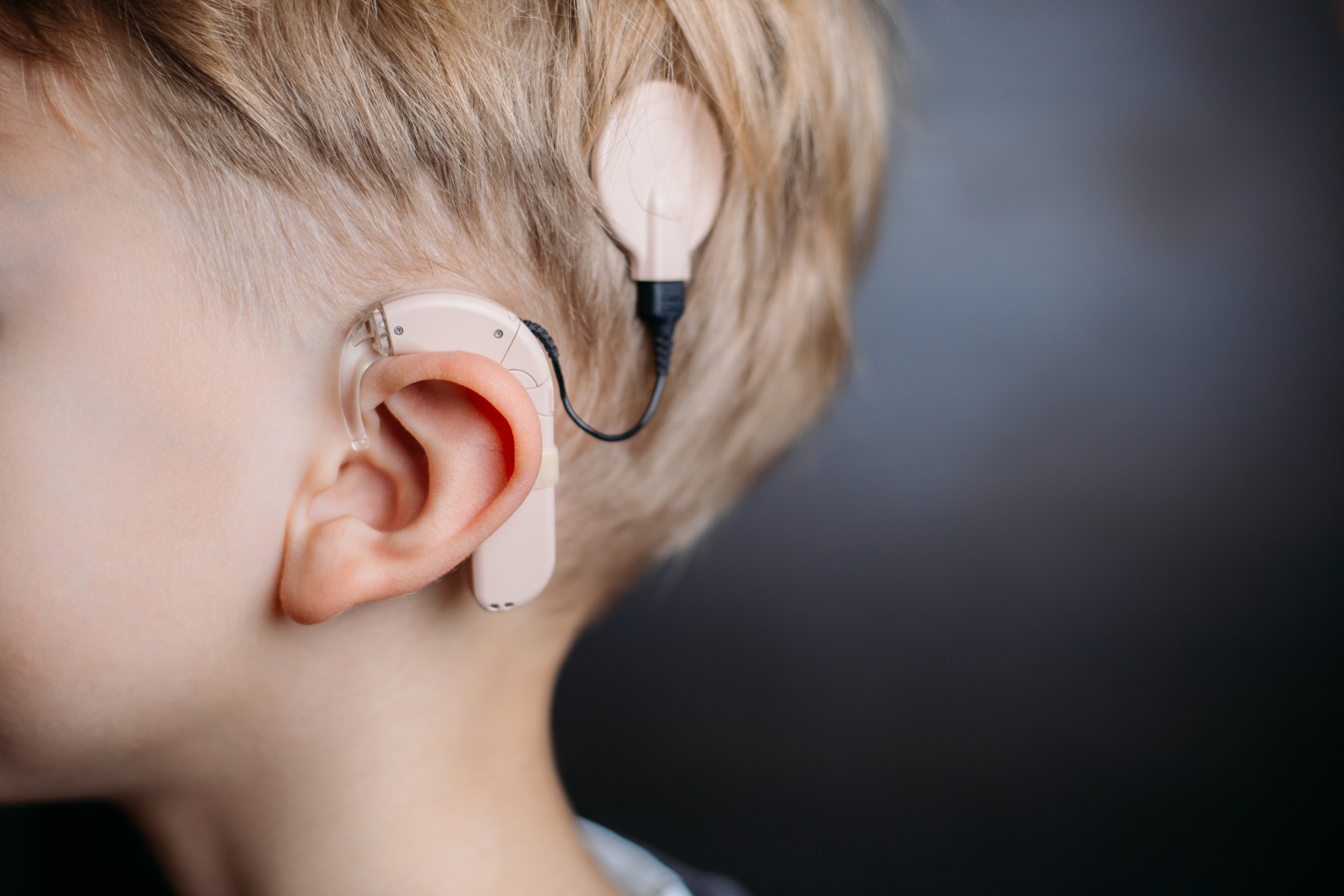
Take Ireland, the 2026 Champion Child. Born with profound hearing loss, she became the first infant in Manitoba to receive bilateral cochlear implants at just 10 months old, giving her an early advantage in language development. To give back, her father Will, owner of Willy Dogs, created a special hot dog campaign each February to celebrate Ireland’s hearing anniversary, donating a portion of proceeds to the foundation.
This kind of grassroots support is happening across Manitoba. In Brandon, a group of tabletop gamers organized a “Gingerbread Apocalypse” tournament that raised more than $7,300. Families like the Salos host elaborate holiday light displays to collect donations. The Stead Ranch Steak House in Gull Lake ran a talent show series featuring community performances and fundraising meals. Even young donors like the “Candy Cane Sisters,” Chloe and Molly, contribute by sharing holiday treats in exchange for donations.
In the 2023 to 2024 fiscal year alone, these community-driven efforts raised more than $1.6 million.
A Future Within Reach
Pediatric medicine will always involve difficult challenges. But in Manitoba, a new approach is making it clear that survival is only the beginning.
By investing in Precision Health, researchers and donors are working together to ensure that children not only survive disease but continue to develop, learn, and live fully. Whether someone is buying a hot dog, hosting a community event, or making a direct donation, they are helping fund the technology and care that allow children to thrive.
Written by: Kaloyan Krastnikov, Volunteer Contributing Writer, CharityAxess Writers Program
About the Writer: Kaloyan Krastnikov writes where rigorous thought meets lived feeling. With an approach that values clarity as much as curiosity, he transforms ideas about medical innovation and discovery into stories that illuminate, question, and console. In his free time he reads widely, tinkers with small data projects, and escapes into guitar playing and experimental cooking.