A Partnership That Makes the Impossible Possible
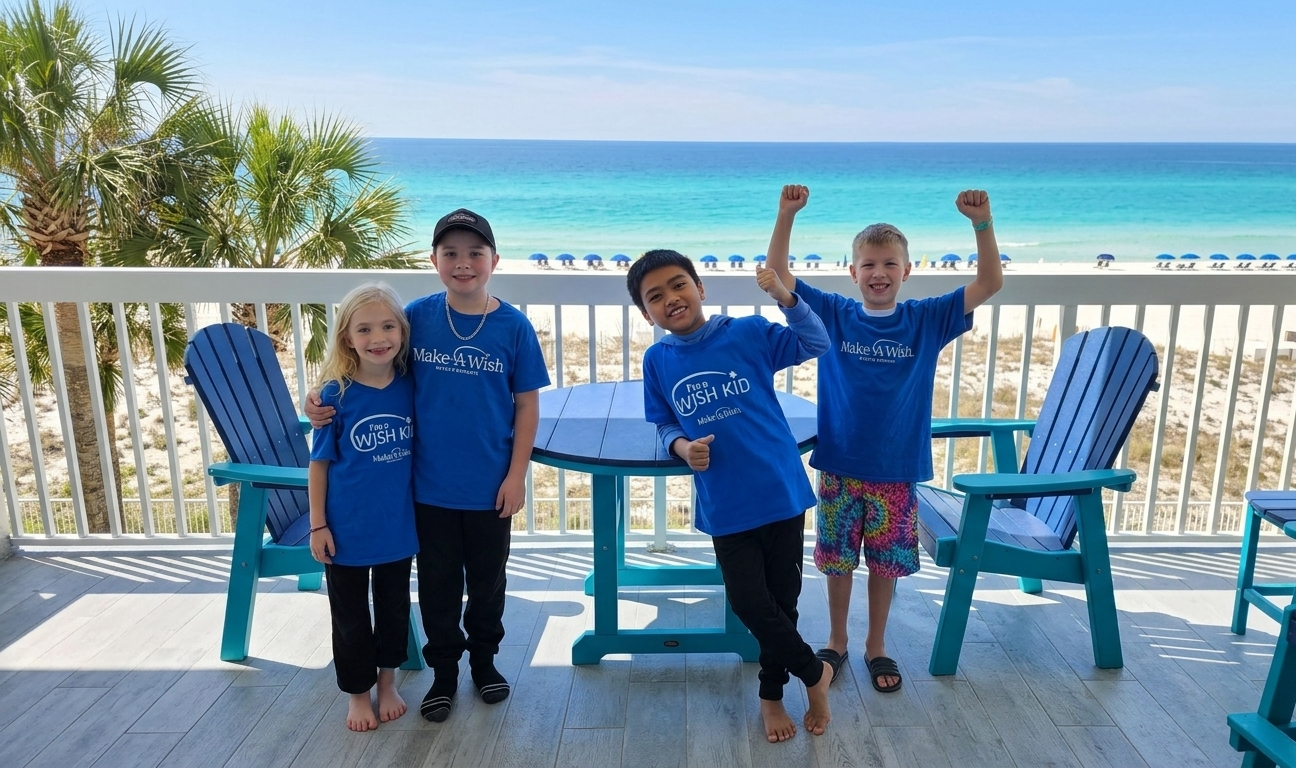
On April 29, Make-A-Wish Canada marks World Wish Day—a day rooted in a single wish that grew into a global movement of hope. “World Wish Day commemorates the first wish granted in 1980 and the life-changing impact wishes continue to have for children facing critical illnesses,” said Meaghan Stovel McKnight, Chief Executive Officer, Make-A-Wish Canada.
For more than 35 years, Blue Cross of Canada has stood alongside the foundation, not just as a supporter, but as an enabler of possibility. Since 1989, they have helped transform over 30,000 travel wishes into a reality by providing comprehensive medical insurance for more than 130,000 family members. For every child who boards a plane or steps into a theme park, Blue Cross provides an invisible layer of protection beneath them.
In honour of World Wish Day, Blue Cross is furthering this legacy with a $100,000 gift to the Make-A-Wish matching campaign. This donation ensures that safety—once the biggest barrier to a wish—is removed, allowing even more children to experience the life-changing magic of travel.
In 2025, over 70% of all wishes involved travel. For many medically vulnerable children, securing specialized insurance is one of the biggest hurdles to having their wish fulfilled. That’s why Blue Cross of Canada serves as the exclusive travel insurance partner, providing specialized coverage and medical evacuation, if necessary, for all wish children and their families. This transformational partnership ensures children with complex medical needs can receive the health benefits a wish brings, while giving families the peace of mind to focus entirely on joy, healing, and hope.
More Than a Trip
In Canada, a child is diagnosed with a critical illness every two hours. In that single moment, everything changes. Families are suddenly pulled into a world of endless tests, treatment plans, and overwhelming uncertainty.
What many don’t expect is this: alongside chemotherapy, medications, and hospital visits, a doctor may prescribe a wish. At Make-A-Wish Canada, wishes are not extras. They are part of a treatment journey.
For a child, a wish is a break from reality, and it becomes fuel for what comes after. Children return to treatment stronger. More hopeful. More willing to keep going.
Medical professionals refer children across 198 hospitals and clinics, because they have seen the impact firsthand. Research continues to show that wishes can reduce hospital visits, increase treatment compliance, and give children the strength to face what comes next.
And behind many of the flights, the destinations, the memories is a system built on trust between two organizations working as one.
This is why many now say: wishes are medicine.
A Shared Mission, Year After Year
The partnership extends far beyond travel. Through initiatives like Trees of Joy, communities come together to celebrate wish children during the holidays. Recently marking its 10th anniversary with 13 events nationwide, the program has raised over $2.5 million to date. By sponsoring wish children and decorating trees in their honour, Blue Cross continues to connect with the community, celebrating the courage of these children while creating lasting holiday memories.
Blue Cross is teaming up with Make-A-Wish Canada for a special month-long event. Between April 28 and May 28, 2026, clients who sign up for travel insurance will qualify for a chance to win a $10,000 travel prize. Beyond the giveaway, they are actively encouraging their clients to help make a difference by donating to Make-A-Wish.
To learn more about Make-A-Wish Canada, explore other organizations using innovative, non-traditional approaches to care, and discover charities supporting children and those affected by various diseases and conditions, visit CharityAxess.ca.
For decades, pediatric medicine had one primary goal: survival. If a child lived through a traumatic head injury or a devastating cancer diagnosis, the treatment was considered a success. But as medical advances improved survival rates, a new and often overlooked challenge began to emerge.
What happens when the chemotherapy that saves a child’s life also permanently damages their hearing? What happens when a teenager recovers physically from a sports concussion but continues to struggle with severe anxiety years later?
Today, survival is no longer the only outcome that matters. In Manitoba, an innovative approach known as Precision Health is reshaping pediatric care. Led by the Children's Hospital Research Institute of Manitoba, doctors and researchers are finding ways to treat disease without causing lasting harm to a child’s development and well-being. And surprisingly, the advanced technology behind this shift is being supported by hot dog stands, tabletop gamers, and local restaurants.
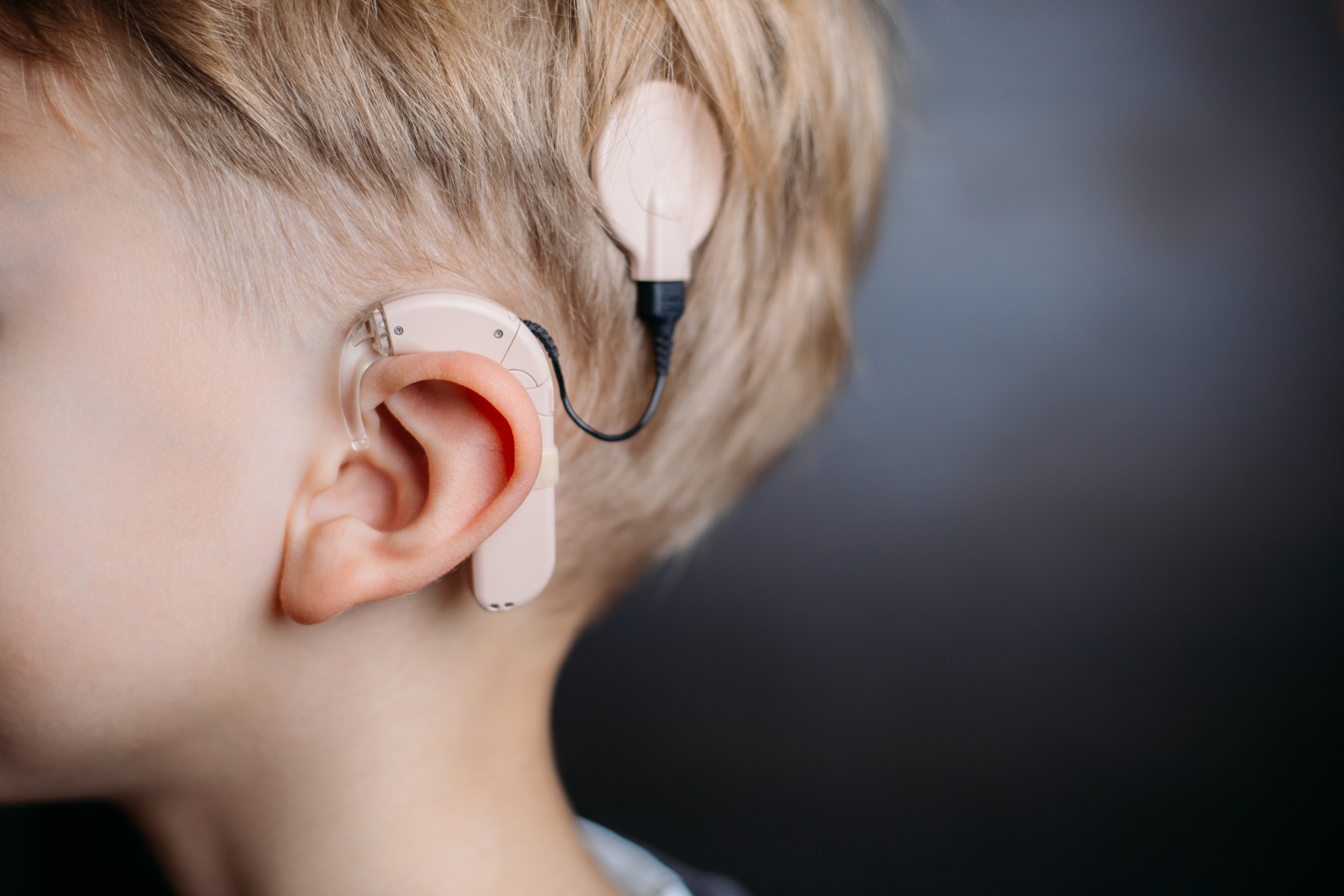
Cisplatin is a highly effective chemotherapy drug used to treat many childhood cancers. However, it is not precise. While it destroys cancer cells, it can also cause permanent hearing loss, especially in young children whose auditory systems are still developing. Up to 75 percent of patients aged five and under experience hearing loss within three years of treatment.
Instead of accepting this outcome, Manitoba researchers are shifting from reactive care to predictive care. Dr. Britt Drögemöller, a Canada Research Chair at the Children's Hospital Research Institute of Manitoba, is developing what is known as a polygenic risk score. Using advanced genomic technology, including the 10x Genomics Xenium platform, her team is working to predict which children are most at risk of hearing loss before treatment even begins.
This level of precision is transformative. A recently approved protective drug can reduce this type of hearing loss by about half. With better prediction tools, doctors can identify which children need additional protection alongside their chemotherapy.
This work is made possible through philanthropic support. Pilot studies like Dr. Drögemöller’s are funded by organizations such as the HSC Foundation, while the broader pediatric oncology research system in Manitoba is supported by the CancerCare Manitoba Foundation. Together, these investments help prevent lifelong disabilities before they occur.
Behind every breakthrough in Precision Health is a community of Manitobans committed to making it possible. Advancing this kind of research is expensive, and it depends heavily on the support of the Children's Hospital Foundation of Manitoba.
What makes this model unique is how it is funded. You do not need to be a millionaire to support advanced medical technology. Across the province, people are finding creative ways to contribute through their businesses, hobbies, and everyday efforts.
Take Ireland, the 2026 Champion Child. Born with profound hearing loss, she became the first infant in Manitoba to receive bilateral cochlear implants at just 10 months old, giving her an early advantage in language development. To give back, her father Will, owner of Willy Dogs, created a special hot dog campaign each February to celebrate Ireland’s hearing anniversary, donating a portion of proceeds to the foundation.
This kind of grassroots support is happening across Manitoba. In Brandon, a group of tabletop gamers organized a “Gingerbread Apocalypse” tournament that raised more than $7,300. Families like the Salos host elaborate holiday light displays to collect donations. The Stead Ranch Steak House in Gull Lake ran a talent show series featuring community performances and fundraising meals. Even young donors like the “Candy Cane Sisters,” Chloe and Molly, contribute by sharing holiday treats in exchange for donations.
In the 2023 to 2024 fiscal year alone, these community-driven efforts raised more than $1.6 million.
Pediatric medicine will always involve difficult challenges. But in Manitoba, a new approach is making it clear that survival is only the beginning.
By investing in Precision Health, researchers and donors are working together to ensure that children not only survive disease but continue to develop, learn, and live fully. Whether someone is buying a hot dog, hosting a community event, or making a direct donation, they are helping fund the technology and care that allow children to thrive.
Written by: Kaloyan Krastnikov, Volunteer Contributing Writer, CharityAxess Writers Program
About the Writer: Kaloyan Krastnikov writes where rigorous thought meets lived feeling. With an approach that values clarity as much as curiosity, he transforms ideas about medical innovation and discovery into stories that illuminate, question, and console. In his free time he reads widely, tinkers with small data projects, and escapes into guitar playing and experimental cooking.
For decades, philosophy has wrestled with the mind-body problem. Are we simply consciousness operating biological machines? When the physical body breaks down, does the human spirit lose its agency in the world?
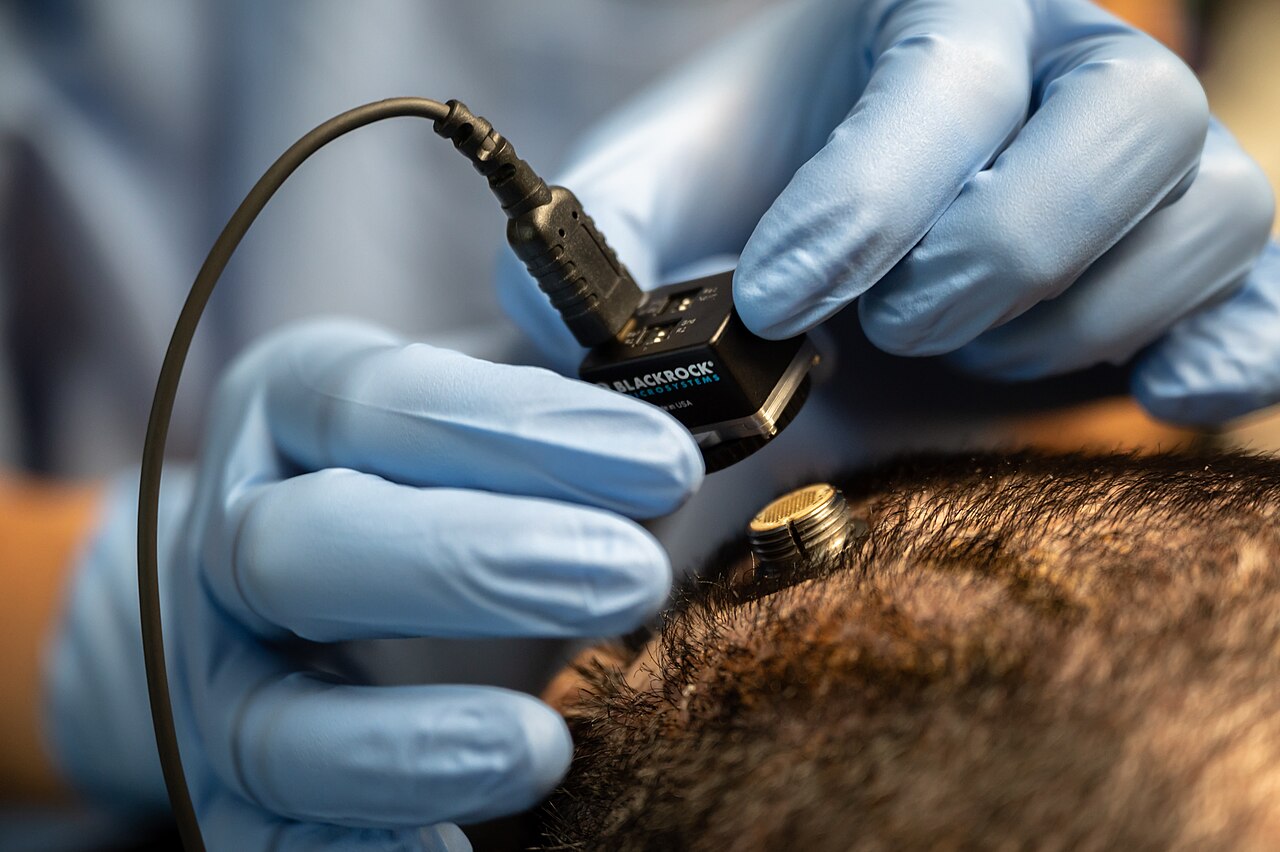
For Tristin Froma, a 19-year-old living with cerebral palsy, this is not an abstract debate. It is his lived reality. Yet at the Glenrose Rehabilitation Hospital in Edmonton, Tristin is experiencing something profound. Using a brain-computer interface (BCI) headset, he can drive his electric wheelchair without moving a single muscle.
“I love using BCI to move my wheelchair,” Tristin says. “It makes me feel free.”
Historically, medicine has focused on fixing the body. But a new movement in Alberta is exploring a different path: digital freedom. By translating brain signals into real-world action, researchers are proving that human agency is not strictly limited by biology.
At the center of this shift is the BLINC Lab at the University of Alberta. Here, researchers are redefining the relationship between humans and machines. Instead of building passive tools, they are developing intelligent partners.
Operating a robotic limb has traditionally been frustrating, often disconnecting users from their own movements. Dr. Patrick Pilarski, an AI researcher at the BLINC Lab, understands this challenge.
“They have a robot for an arm, but it’s really hard for them to tell it what to do.”
The solution goes beyond better hardware. It requires systems that can learn. Using reinforcement learning, these artificial limbs are trained to recognize patterns and anticipate human intent. If a user reaches for a cup, the system adjusts in real time, refining movement before the action is complete.
In this model, AI becomes a co-pilot, working alongside the user rather than waiting for instruction. As Pilarski explains, achieving seamless communication between humans and machines remains one of the most important challenges ahead.
For children with severe mobility limitations, the ability to interact with their environment is essential to development. Without the ability to act, learning cause and effect becomes difficult.
This is where Think2Switch comes in, a device co-developed by the University of Alberta and the University of Calgary. It connects a BCI headset to simple, switch-enabled toys, allowing children to control objects using their thoughts.
Kim Adams, director of the Assistive Technology Lab, highlights the impact:
“For kids with limited mobility, being able to use their brain to turn on a toy is going to be a really valuable beginner tool… I think it will slowly open up the world to them.”
It is a simple concept with profound implications. For the first time, a child can directly influence their environment, building independence and a sense of self.
Ideas like this only matter if they become real. Turning high-risk, innovative research into practical solutions requires significant investment.
Because early-stage neurotechnology challenges traditional approaches, it often falls outside the scope of standard funding. This is where philanthropy becomes essential.
The Calgary-based Branch Out Neurological Foundation is helping fund this work by supporting alternative and technology-driven approaches to neurological conditions. Their investments help bridge the gap between research and real-world application.
Support also extends beyond financial contributions. Community-driven events, such as the annual Branch Out Bike Tour, bring together volunteers and participants to raise funds and awareness for neurological research.
Similarly, the Glenrose Rehabilitation Hospital Foundation supports initiatives like the Imagination Centre, one of only three facilities in Canada using pediatric BCI technology.
Donor support allows the hospital to invest in tools that enable children to play, create, and move using only their minds.
We are entering a new kind of future. While medicine may not yet be able to reverse all forms of neurological damage, technology is already restoring something just as important: human agency.
Driven by researchers, patients, and community support, these innovations are changing what is possible. Technology is no longer just responding to the body, it is learning to respond to the mind.
Curious to meet more nonprofits doing amazing things with technology? Explore our Find A Charity page and let the journey begin.
Written by: Kaloyan Krastnikov, Volunteer Contributing Writer, CharityAxess Writers Program
About the Writer: Kaloyan Krastnikov writes where rigorous thought meets lived feeling. With an approach that values clarity as much as curiosity, he transforms ideas about medical innovation and discovery into stories that illuminate, question, and console. In his free time he reads widely, tinkers with small data projects, and escapes into guitar playing and experimental cooking.
Photo Credit: By Mike Cai Chen
When we think of the frontline of healthcare, we usually imagine a sterile hospital room, the beep of a heart monitor, or the rush of an emergency department. But in Saskatchewan, a dedicated group of researchers and veterinarians are showing that protecting human health often begins well before anyone enters a hospital.
It starts in the boreal forest, along migratory bird routes, or in communities where animals and people live in close connection.
This approach is known as “One Health”, the recognition that human health is inseparable from the health of animals and the environment we share.
Modern public health research has made one thing increasingly clear. Zoonotic diseases, those that spread from animals to humans, have been at the root of many of the most significant infectious disease outbreaks in recent decades.
As human activity continues to intersect more closely with wildlife and ecosystems, these spillover events are occurring more frequently and with greater impact. Preventing future outbreaks requires paying attention to where these risks first emerge.
Before a disease ever reaches a community, it often appears quietly in nature. This is where early detection becomes critical.
The Canadian Wildlife Health Cooperative (CWHC), a national network operating through universities and partners across the country, plays a central role in monitoring wildlife health.
In Saskatchewan, the organization functions as an early warning system, tracking diseases in wild animal populations that could pose future risks to livestock or people.
CWHC is a key surveillance body for avian influenza and other emerging pathogens, monitoring how viruses move, evolve, and spread across regions. This work allows scientists and public health authorities to understand potential threats long before they appear in farms, cities, or healthcare settings.
Early detection in wildlife provides the time and information needed to respond thoughtfully rather than reactively.
Early warning, however, is only one part of prevention.
The One Health framework also includes the animals that live alongside people every day. In Saskatchewan, the Canine Action Project (CAP) plays a vital role at this community level.
CAP is a registered charity that provides veterinary care, spay and neuter services, and education in remote and Indigenous communities. While their work is often viewed through an animal welfare lens, it also serves an important public health function.

Dogs can act as sentinels for broader health risks. When veterinary care is limited, diseases such as rabies, parasites, and other communicable illnesses are more likely to spread among animals and, in some cases, to people. By improving access to routine veterinary services, CAP helps reduce these risks at their source.
Ensuring that community animals are healthy creates a stabilizing effect. It protects families, supports safer living environments, and reduces the likelihood that preventable diseases will escalate into wider public health concerns.
Philanthropy is often reactive, responding to crises once they are already visible. The work being done in Saskatchewan offers a different approach, one focused on prevention.
Together, wildlife surveillance and community-based animal care form an early-warning and risk-reduction system that protects human health long before hospitals are involved. By identifying threats in nature and reducing disease pressures at the community level, these efforts help contain risks before they spread.
Supporting organizations like the Canadian Wildlife Health Cooperative and the Canine Action Project is a preventative act. It strengthens the systems that quietly protect communities, safeguard ecosystems, and preserve the shared circle of human, animal, and environmental health.
Explore our Find a Charity page to discover ways to give, whether through donations, in-kind support, or contributing what you can in ways that matter.
Written by: Kaloyan Krastnikov, Volunteer Contributing Writer, CharityAxess Writers Program
About the Writer: Kaloyan Krastnikov writes where rigorous thought meets lived feeling. With an approach that values clarity as much as curiosity, he transforms ideas about medical innovation and discovery into stories that illuminate, question, and console. In his free time he reads widely, tinkers with small data projects, and escapes into guitar playing and experimental cooking.
Photo Credit: Peter Xie via Pexels.com
It’s mid-January in Quebec. The temperature has dropped to extreme lows, and the city plow has just passed, leaving a heavy, icy ridge at the end of the driveway. You bundle up, grab a shovel, and get to work.
For most of us, this is just a chore. For cardiologists, it is a danger zone. Research confirms that freezing air constricts blood vessels, while sudden exertion can spike the heart rate to near-sprint levels. Together, they create a perfect storm for a cardiac event.
But if the worst happens, you are not relying on medical care alone. You are supported by an invisible network of neighbors, donors, and community innovators. While the government funds hospital operations, it is often Quebec’s charities that fund the evolution of care, supporting pilot programs and new technologies before public budgets can catch up.
Here is how four donor-funded communities are addressing heart health in unexpected ways.
The most dangerous part of a cardiac arrest in winter is not the condition itself, but time. In a snowstorm, an ambulance may be too far away.
The Jacques-de-Champlain Foundation recognized that the solution was not just more ambulances, but faster access to help. They funded the AED-Quebec App, a mobile tool that turns the province into a connected safety net.
Citizens and businesses register the locations of Automated External Defibrillators in public spaces such as hockey arenas, pharmacies, and office buildings. If someone collapses, a bystander can quickly locate the nearest device. Community participation ensures that help is often closer than emergency services.
Geography can also be a barrier to care. For people in remote regions, seeing a specialist once meant long drives or medical flights during winter conditions.
The MUHC Foundation helped close that gap by funding the Electrophysiology Centre of Excellence and enabling a Canadian first: remote programming of implanted defibrillators. Specialists in Montreal can now securely adjust devices for patients hundreds of kilometers away.
For families in regions like Gaspésie or Northern Quebec, this is a game changer. It reduces travel, lowers stress, and brings specialized care directly to the patient.
Heart disease was once treated using averages. Today, that approach is changing.
With support from the Montreal Heart Institute Foundation, researchers have built one of the world’s most advanced biobanks, containing genetic and biological data from over 30,000 volunteers in Quebec.
By analyzing this data, researchers can better understand how genetics, environment, and stress interact. This work moves medicine from reactive treatment toward prevention tailored to individual biology.
Winter illnesses pose serious risks for children born with heart valve defects. Traditional valve implants do not grow with the child, often requiring repeated surgeries.
Through its Grow Beyond campaign, the CHU Sainte-Justine Foundation is funding research into 3D bioprinted heart valves made from living cells. These valves have the potential to grow with the child, offering a long-term solution rather than repeated intervention.
This research represents a shift toward permanent care for some of the most vulnerable patients.
When you donate to a hospital foundation, you are not just supporting day-to-day care. You are helping fund the early, innovative work that transforms how heart disease is treated across Quebec, ensuring communities are protected long before emergencies strike.
Written by: Kaloyan Krastnikov, Volunteer Contributing Writer, CharityAxess Writers Program
About the Writer: Kaloyan Krastnikov writes where rigorous thought meets lived feeling. With an approach that values clarity as much as curiosity, he transforms ideas about medical innovation and discovery into stories that illuminate, question, and console. In his free time he reads widely, tinkers with small data projects, and escapes into guitar playing and experimental cooking.
Photo Credit: Image by Myriams-Fotos
For cancer survivors, the years following treatment are often defined by persistent fear. Follow-up monitoring under the old system demanded physical trauma: patients endured painful needle or surgical biopsies, which brought risks of infection and weeks of recovery time. This cycle of waiting and pain actively created "scanxiety," a debilitating psychological stress that halted the patient’s quality of life.
This system failed patients not just through pain, but through unacceptable delays. Traditional tissue sampling often took weeks to process, a dangerous timeline in aggressive diseases. A study called “Implementation of Liquid Biopsy in Non-Small-Cell Lung Cancer: An Ontario Perspective” reported a median turnaround time of 36.5 days for critical test results. This crippling delay risked the patient’s life, as clinical deterioration increased without rapid, personalized treatment.
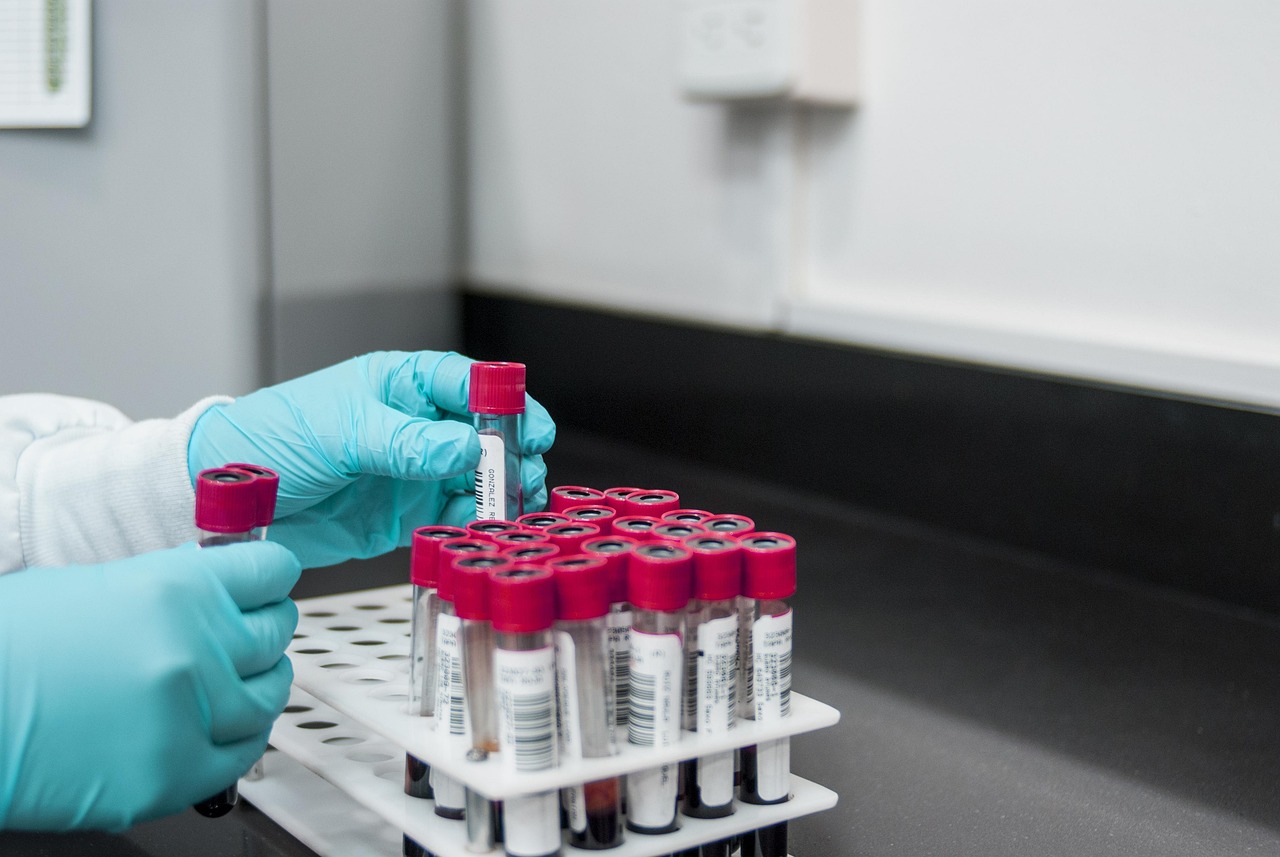
The solution to this crisis is the liquid biopsy, which does analysis of tumor-derived material found in a simple blood sample. This breakthrough replaces the risky, invasive procedure with a non-invasive blood draw, presenting minimal procedural risk.
This technology is a dynamic molecular surveillance system. It works by collecting circulating tumour DNA (ctDNA), which are microscopic genetic fragments shed by cancer cells into the bloodstream. Analyzing these fragments transforms a routine blood sample into a real-time snapshot of the tumor’s health.
The emotional relief is profound. Canadian Cancer Society (CCS) advocate Jennifer Coish speaks directly to this change: "The idea of a painless liquid biopsy with zero downtime for healing and zero chance of infection or complications would be a game changer for so many patients," she declares.
However, liquid biopsy is not yet a universal replacement for all diagnostic needs. In Canada's publicly funded system, it often serves as a rapid adjunct test, primarily utilized when tissue is insufficient for full testing or when the timeliness of results is critical to prevent patient deterioration.
The speed of the liquid biopsy is revolutionary because it directly targets and cures scanxiety. Canadian hospitals using rapid, in-house testing report results in a median of just three business days, with some delivering critical answers in as little as one day. Patients move from weeks of paralyzing fear to informed action in mere days.
Precision is the other triumph. The test can detect "molecular disease", in particular cancer traces too small for traditional scans to see. This ability to detect Minimal Residual Disease (MRD) allows doctors to intervene proactively. It fulfills the core promise of personalized medicine: treating the patient before the cancer progresses.
Scaling this life-saving technology across Canada is the mission of the "Team Canada" strategy, championed by the Canadian Cancer Society (CCS) and powered by the Marathon of Hope Cancer Centres Network (MOHCCN).
This national collaboration is designed to overcome Canada's major health barrier: provincial fragmentation. The MOHCCN unifies top researchers and mandates common protocols for liquid biopsies across all partnering sites.
This ensures that a high-tech breakthrough discovered in one province can instantly and reliably benefit a patient in any partnering clinic. The strategy guarantees equal, rapid access to molecular answers, fulfilling the promise of personalized medicine regardless of a patient's address.
The MOHCCN ensures this innovation reaches everyone. Since the liquid biopsy only requires a blood draw, it immediately improves access for patients in remote or rural communities where specialty surgical procedures are not available.
Other organizations are also advancing liquid biopsy research in Canada. For instance, Ovarian Cancer Canada is supporting the development of mDETECTov, a blood test that identifies DNA changes specific to ovarian cancer.
The future of cancer monitoring is no longer about enduring the wait. It is about demanding the answer. The molecular revolution ensures that every survivor has the chance to replace fear with fast-acting hope.
Written by: Kaloyan Krastnikov, Volunteer Contributing Writer, CharityAxess Writers Program
About the Writer: Kaloyan Krastnikov writes where rigorous thought meets lived feeling. With an approach that values clarity as much as curiosity, he transforms ideas about medical innovation and discovery into stories that illuminate, question, and console. In his free time he reads widely, tinkers with small data projects, and escapes into guitar playing and experimental cooking.
We often think the most powerful treatments for our complex health problems are dependent on the next multi-billion dollar pharmaceutical breakthrough. But what if the most potent medicine is hiding in plain sight, in the forests and parks we are struggling to protect? A different perspective could be the true answer to our modern crisis of stress, chronic disease, and disconnection.
Recent discoveries and innovations are questioning the role of nature. What if embracing nature is not just a nice recreational activity, but a necessary medical and economic intervention?
British Columbia is now pioneering a new, integrated approach to health, recognizing that nature is our most valuable, high-impact asset. It is a source for both drug breakthroughs and daily wellness prescriptions. This isn't just about saving trees, it's a generational opportunity to heal our bodies and the planet at the same time.
The traditional approach to finding cures created an ecological paradox: a life-saving drug often led to unsustainable mass-harvesting that destroyed the very ecosystems supplying the medicine. This is why the first half of the Nature-Health Revolution must be about scientific responsibility.
The work happening at UBC Okanagan, however, provides the blueprint for a better way. Researchers there have successfully identified the two key enzymes that build a rare, potent compound with anti-tumour potential called mitraphylline. By uncovering exactly how plants create this compound, scientists can now reproduce the same process in the lab without relying on destructive harvesting.
This discovery allows us to pivot from extractive practices to "green chemistry." Instead of cutting down tropical trees and contributing to deforestation to extract a tiny, finite amount of the medicine, scientists now have the methods to reproduce the compound efficiently and ethically in the lab.

This new scientific model directly addresses planetary care. By prioritizing scientific innovation over resource extraction, this breakthrough eliminates ecological pressure on endangered species and establishes an ethical foundation for a new, integrated health system.
This discovery is part of a growing shift toward a new kind of medicine—one that heals ecosystems as much as it heals people. The greatest burden on our healthcare system is often stress, anxiety, and disconnection, issues that no pill can solve alone. If science provides the sustainable high-impact drug discovery, the other half of the integrated system must address preventative and community wellness.
This is where the PaRx (A Prescription for Nature) program completes the circle. This initiative, championed by the BC Parks Foundation, is revolutionary in its simplicity: doctors are literally prescribing time in nature. The science is robust: time spent outdoors leads to measurable benefits like reduced stress and improved mood.
When a doctor prescribes a walk in the park, it creates an immediate and tangible connection between our health and the health of the environment around us. In that moment, nature stops being just scenery and becomes part of our care. The park turns into a kind of medicine, freely available to anyone who needs it. That simple act changes how we see the world. Once we realize we feel better because of a local park, its value shifts in our minds. Protecting that space is no longer just a good deed. It becomes essential upkeep for both our personal well-being and our public health.
This community action locks in the ethical progress made by the scientists. It creates a self-reinforcing mandate: we fund “green chemistry” to protect the environment, and we invest in nature prescriptions to motivate the community to maintain and defend that protected environment.
This integrated vision is ambitious. To scale both high-risk lab discoveries and widespread public health policy, we need partners who can move faster than government bureaucracy: charities and foundations. They are the necessary accelerators that provide the agile funding and coordination required for success.

Donors can drive this Nature-Health Revolution by supporting organizations on both fronts.
Charities like the High Park Nature Centre and the Toronto and Region Conservation Foundation actively support educational programs and conservation initiatives that keep green spaces accessible, similar to the PaRx program. Their work ensures this “medicine” is always available.
To find the next mitraphylline, researchers need early, flexible funding. The Banting Discovery Foundation is a prime example of a registered charity that supports outstanding early-career health and biomedical researchers across Canada with "seed funding" for innovative projects.
By supporting organizations like the Banting Discovery Foundation or the VGH & UBC Hospital Foundation, which supports UBC-affiliated health research and innovation within Vancouver’s hospital network, donors are investing in the next generation of scientists and students driving green chemistry breakthroughs.
The B.C. Nature-Health Revolution is more than a strategy; it is a powerful call to re-evaluate our priorities. It demonstrates that the path to a healthier future for Canadians is not through separation, but integration. We are connecting our personal wellness to the health of our planet.
The future of medicine and the planet aren't separate concepts. They are one and the same, and the solution is waiting in our own backyard. Engage with and support the charitable organizations that are translating this integrated health vision into reality.
Visit our Find a Charity page to explore charities supporting vital healthcare research and advancements.
Written by: Kaloyan Krastnikov, Volunteer Contributing Writer, CharityAxess Writers Program
About the Writer: Kaloyan Krastnikov writes where rigorous thought meets lived feeling. With an approach that values clarity as much as curiosity, he transforms ideas about medical innovation and discovery into stories that illuminate, question, and console. In his free time he reads widely, tinkers with small data projects, and escapes into guitar playing and experimental cooking.