A Promise and a Long Road Ahead
“We will help you find your way home.”
When Manitoba Premier Wab Kinew spoke those words in January 2025, he was not just announcing another policy. He was making a promise, a plan called Your Way Home, aimed at ending chronic homelessness across the province by 2031.
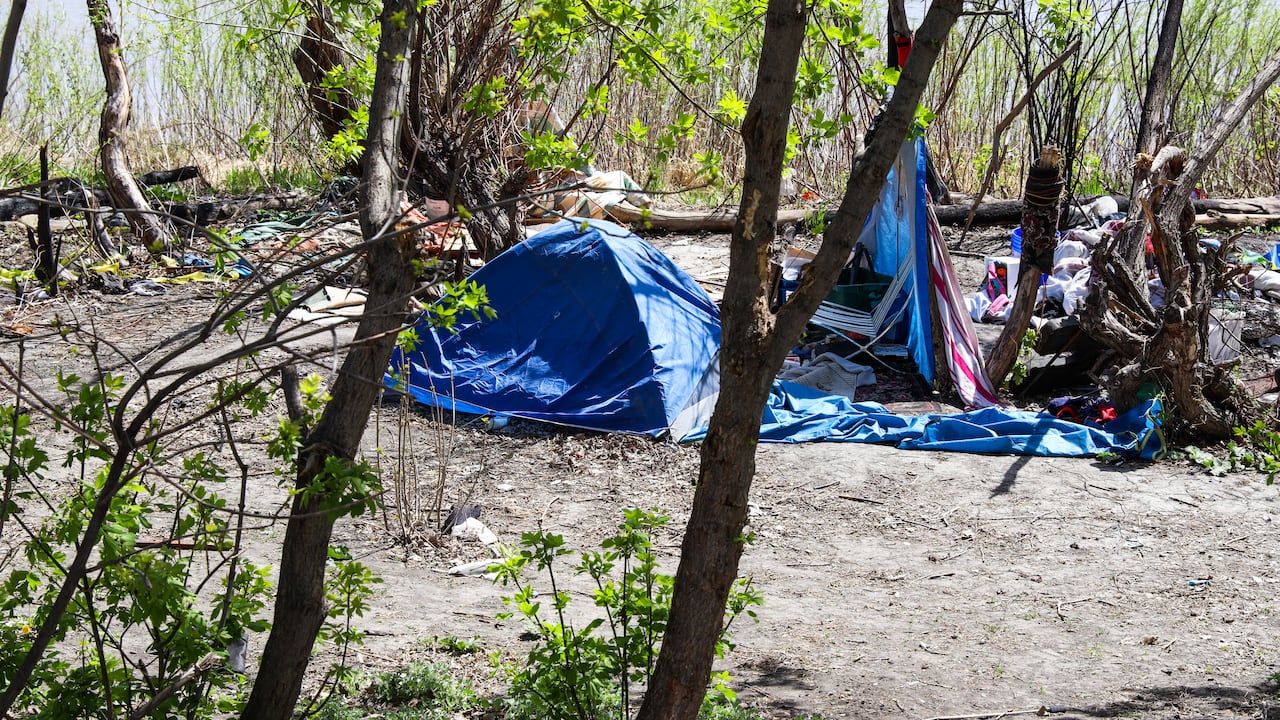
For those living in tents along Winnipeg’s frozen rivers, that date may feel distant. But for the outreach workers who bring hot soup, fill out housing applications, and remember every name, the premier’s words marked not an ending, but a beginning.
The road home has never been built by paperwork alone. It is shaped by connection, trust, and people who refuse to give up. It is built through relationships, not slogans.
Behind the Tents: What Are We Really Facing?
Homelessness is never just about lacking a roof. In Manitoba, approximately 75 percent of people experiencing homelessness are Indigenous, a reality rooted in generations of trauma, including residential schools and the child welfare system.
The new provincial strategy calls for a housing-first model and a 30-day outreach plan to move people from encampments into homes. Yet the challenge remains clear. There are not enough housing units, and there are not enough staff to support people once they move in.
Tessa Blaikie Whitecloud, former CEO of Siloam Mission and now senior advisor on homelessness to the premier, has captured it plainly: “The solution to homelessness is housing.” Yet housing alone is not enough. Many people who finally receive a key still need daily support to make that housing last and to turn a room into a home. This is where frontline charities step in to translate policy into lived outcomes.
Siloam Mission: What Comes After Recovery
Siloam Mission has long been one of Winnipeg’s most trusted shelters, but its work extends far beyond temporary beds. The organization focuses on supporting people through one of the most difficult transitions of all, moving from survival to stability.
Its newest initiative, The Nest, also known as the Arlene Wilson Recovery Centre, responds to a painful gap in the system. Many people complete addiction recovery programs only to return to homelessness because they lack stable housing.
The Nest provides 20 private, long-term recovery housing units designed around dignity and continuity of care. Residents live in an abstinence-based, supportive community with access to ongoing counselling, life-skills coaching, and peer mentorship. The goal is not only sobriety, but sustainable independence.
As Whitecloud once said while leading Siloam Mission, “Without housing, there is no recovery.” The Nest gives recovery a stable foundation, serving as a bridge between healing and a lasting home.
End Homelessness Winnipeg: Weaving a Safety Net
While organizations like Siloam Mission work closely with individuals, End Homelessness Winnipeg (EHW) operates at the systems level. As the city’s coordinating body, EHW connects government agencies, Indigenous organizations, and frontline charities to ensure people do not fall through the cracks.
Its work focuses on three key areas:
System coordination: Ensuring individuals are not lost between agencies by aligning data, housing lists, and social services.
Service integration: Connecting housing with mental health and addiction supports so assistance continues after someone moves in.
Advocacy: Promoting housing as a human right while centering the voices of Indigenous women, youth, and 2SLGBTQ+ Manitobans.
EHW’s approach is structural but deeply human. The aim is not only to respond to crises, but to prevent them, and not only to provide housing, but to help people rebuild stability and belonging.
Working Together: Turning Policy into Practice
Ending homelessness cannot be achieved by one organization alone. It requires both the personal, relationship-based work of shelters and recovery programs, and the broader coordination that aligns systems across the city.
Together, organizations like Siloam Mission and End Homelessness Winnipeg form a continuum of support, from outreach to recovery housing to long-term stability. This coordinated approach is what turns provincial policy into day-to-day support people can actually rely on.
Manitoba’s Minister for Housing, Addictions and Homelessness recently announced the addition of 300 new social housing units with on-site supports, emphasizing the role these spaces can play beyond providing shelter. As she explained,
“These are not just rooms. They are opportunities for people to truly come home.”
Lighting a Room, Reviving a Life
So what does Your Way Home really mean?
It is more than a government plan. It is the quiet work of a caseworker on a freezing morning, the safety of a door that locks from the inside at The Nest, and the daily effort required to turn policy into warmth and stability.
Each time a tent comes down and a room light turns on, it is more than a statistic. It is dignity restored and a life beginning to take shape.
The road ahead is long, but every step matters. In Winnipeg, no one should have to face winter alone. The hope of coming home is already taking root, in every conversation, every helping hand, and every door that finally opens.
About the Writer: Chuyu Yan is a Sociology and Book & Media Studies student at the University of Toronto. Passionate about exploring the social factors behind mental health and inequality, she uses storytelling to make complex ideas accessible and relatable. With experience in research, writing, and media creation, Chuyu aims to highlight unseen social dynamics and amplify voices often overlooked, connecting readers through empathy, clarity, and reflection.
Photo Credit: CBC News