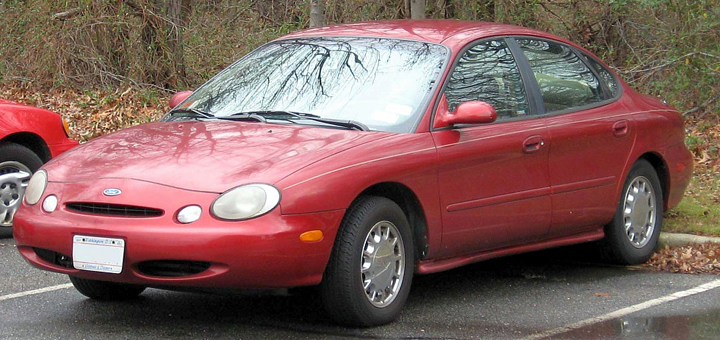
Not getting the price you hoped for? Tired of dealing with Facebook Marketplace, lowball offers, expensive repairs, or a vehicle that is simply taking up space in your driveway? If your old car has become more of a burden than an asset, donating it to charity can be a practical alternative that benefits both you and a good cause.
Many charities in the Greater Toronto Area (GTA) accept car donations, including vehicles that no longer run. Instead of paying to scrap an unwanted vehicle or spending weeks trying to sell it, you may be able to arrange free vehicle pickup while helping fund important charitable programs.
Most organizations work with vehicle donation partners such as Donate a Car Canada and Homeless Cars. These partners typically handle the towing, paperwork, sale, auction, or recycling of the donated vehicle. The proceeds support the charity you choose, and an eligible donation may result in an official charitable tax receipt.
Car Donation Quick Facts
- Many charities accept running and non-running vehicles.
- Free towing or vehicle pickup is often available in the GTA.
- Cars, trucks, motorcycles, recreational vehicles, trailers, and other vehicles may qualify.
- Donation partners usually handle the towing, paperwork, sale, or recycling process.
- You may receive an official charitable tax receipt based on the eligible value of the donation.
- Vehicle donation proceeds help fund charitable programs and services.
Here are seven charities that accept car donations in the GTA.
1. Kidney Car Program
The Kidney Car Program supports The Kidney Foundation of Canada by accepting donated vehicles across Ontario. Cars, trucks, SUVs, motorcycles, recreational vehicles, trailers, and even boats may qualify.
Depending on the condition of the vehicle, it may be sold at auction or recycled. Proceeds help fund kidney disease research, patient support services, advocacy, and public education programs across Canada.
2. Toronto Humane Society
Animal lovers can support the Toronto Humane Society by donating a used or unwanted vehicle. Funds raised help provide shelter, veterinary care, rehabilitation, adoption services, and community outreach programs for animals in need.
Whether your car is gently used or approaching the end of its life, a vehicle donation can support vulnerable animals while helping you avoid private listings, buyer meetings, and negotiations.
3. ALS Canada
ALS Canada accepts vehicle donations to support research and services for Canadians living with amyotrophic lateral sclerosis, also known as ALS or Lou Gehrig's disease.
Car and auto donations help fund scientific research, advocacy, equipment support, and programs that improve quality of life for people and families affected by ALS.
4. Trillium Health Partners Foundation
Donating a car to Trillium Health Partners Foundation helps support hospitals serving Mississauga and surrounding GTA communities.
Funds raised through vehicle donations contribute to medical equipment, patient care, research, and hospital improvements that benefit patients throughout the region.
5. Princess Margaret Cancer Foundation
The Princess Margaret Cancer Foundation accepts donated vehicles to help advance cancer research, treatment, and patient care at one of Canada's leading cancer centres.
Whether your vehicle is still roadworthy or ready for retirement, your auto donation can help fund research, clinical trials, and cancer care.
6. Starlight Children's Foundation Canada
Starlight Children's Foundation Canada accepts vehicle donations that help bring joy, entertainment, and support to seriously ill children and their families.
Funds raised through donated cars help provide hospital gaming stations, virtual reality experiences, family support programs, and other initiatives designed to make hospital stays less stressful for children.
7. March of Dimes Canada
March of Dimes Canada accepts donated vehicles to help fund programs supporting people living with disabilities.
Proceeds from car donations help provide employment services, rehabilitation, independent living supports, and community participation opportunities for Canadians living with disabilities.
Is Donating Your Car Better Than Selling It?
Whether it is better to donate or sell your vehicle depends on its condition, potential resale value, and how much time you want to spend managing the process. Selling privately may produce more money, but donating an old vehicle is often faster and requires less work.
| Consideration | Donate Your Car | Sell Your Car |
|---|---|---|
| Vehicle pickup | Free towing is often available. | You normally arrange delivery or meet the buyer. |
| Repairs | Non-running and damaged vehicles may be accepted. | Repairs may be needed to attract buyers. |
| Time required | Usually requires a donation form and pickup appointment. | May require listings, messages, negotiations, and meetings. |
| Financial benefit | An eligible donation may qualify for a charitable tax receipt. | You receive the agreed selling price. |
| Community impact | Proceeds support a charitable cause. | No direct charitable benefit unless you donate the proceeds. |
How Does Donating a Car Work?
Donating a car usually involves completing a vehicle donation form, arranging pickup, and allowing the charity or its donation partner to sell, auction, or recycle the vehicle. The charity receives the eligible proceeds, and the donor may receive a tax receipt.
Complete the Vehicle Donation Form
↓
Schedule Vehicle Pickup or Towing
↓
The Vehicle Is Collected
↓
The Vehicle Is Sold, Auctioned, or Recycled
↓
The Charity Receives the Proceeds
↓
An Eligible Tax Receipt Is Issued
Although each charity and vehicle donation partner has its own process, donating an unwanted car usually involves the following steps:
- Complete an online car donation form or contact the charity.
- Provide information about the vehicle and its condition.
- Schedule free vehicle pickup or towing, if available.
- The vehicle is sold, auctioned, or recycled.
- The charity receives the eligible proceeds from the auto donation.
- You may receive a charitable tax receipt based on the eligible value of the donation.
Many organizations accept junk cars, damaged vehicles, and cars that no longer run. This can make donating a vehicle an alternative to leaving it unused on your property or arranging disposal yourself.
When Does Donating a Car Make Sense?
Donating an old car may make sense when the convenience and charitable benefit are more important to you than obtaining the highest possible private-sale price.
- Your vehicle is worth less than the cost of repairing it.
- You do not want the hassle of selling it privately.
- Your car has been sitting unused for months.
- You are planning to scrap the vehicle anyway.
- You want to support a charity through a vehicle donation.
- You would like to receive a tax receipt, if the donation is eligible.
How Do You Choose the Right Charity for a Car Donation?
Choose a charity whose mission aligns with your values and confirm the details of its vehicle donation program before arranging pickup.
- The charitable cause you want to support.
- Whether the charity accepts non-running vehicles.
- Whether free towing is available in your area.
- Which vehicle donation partner manages the process.
- How the eligible tax receipt amount is determined.
- Whether cars, trucks, motorcycles, trailers, or recreational vehicles are accepted.
- Any paperwork or ownership documents that may be required.
Every donated vehicle can help fund important programs, whether you choose to support medical research, hospitals, animal welfare, children's charities, or organizations serving people with disabilities.
Frequently Asked Questions About Donating a Car
Can I donate a car that does not run?
Yes. Many charities and vehicle donation partners accept non-running, damaged, older, or unwanted vehicles. Acceptance can depend on the vehicle's location, condition, and whether towing service is available.
Is towing free when I donate my vehicle?
Free towing is commonly offered by vehicle donation programs, but coverage may vary by location. Confirm pickup availability with the charity or its donation partner before completing your donation.
Will I receive a charitable tax receipt?
An eligible vehicle donation may qualify for an official charitable tax receipt. The amount can depend on how the vehicle is processed, its sale price, or another eligible valuation method used by the charity and its donation partner.
What types of vehicles can be donated?
Depending on the organization, accepted donations may include cars, trucks, vans, SUVs, motorcycles, recreational vehicles, trailers, boats, and fleet vehicles.
What happens to a donated car?
A donated car may be sold to a new owner, auctioned, or recycled based on its condition. The eligible proceeds are then directed to the charity selected by the donor.
What documents do I need to donate a car?
Requirements vary, but you may be asked to provide vehicle ownership information, your contact details, the vehicle identification number, its location, and a description of its condition. Confirm the required paperwork with the donation program.
How long does the vehicle donation process take?
Pickup times depend on the organization, towing provider, vehicle location, and appointment availability. The donation partner should provide an estimated pickup timeline after receiving your information.
Instead of letting an old vehicle collect dust or accepting a disappointing offer from a private buyer, consider donating it to a charity that aligns with your values. It can be a convenient way to clear space, avoid the work involved in a private sale, and turn an unwanted vehicle into meaningful community support.
Does your charity accept vehicle donations? Create your free CharityAxess profile to be considered for this and future CharityAxess lists.