Canadian charities are continuing to examine how education, Indigenous-led partnerships and direct engagement with Survivors can contribute to Truth and Reconciliation across the country.
One recent example comes from Alongside Hope, formerly known as the Primate’s World Relief and Development Fund. On May 13, 2026, staff from the Canadian Anglican aid agency joined representatives from partner organizations in the United States, Australia, New Zealand, the United Kingdom and the Philippines for a learning visit in Mi’kma’ki.
The group travelled with representatives from the Diocese of Nova Scotia and Prince Edward Island to the site of the former Shubenacadie Indian Residential School in Nova Scotia. The visit was intended to deepen participants’ understanding of the residential school system, the experiences of Survivors and the Indigenous-led work underway to preserve Mi’kmaw history, language and culture.
Learning From Survivors at the Former Shubenacadie Residential School
The Shubenacadie Indian Residential School operated from 1930 to 1967 and was the only residential school in the Maritimes. Mi’kmaq, Wolastoqiyik and other Indigenous children from across Atlantic Canada and Quebec were forced to attend the school as part of a broader government policy intended to separate Indigenous children from their families, languages and cultures.
According to Alongside Hope's account of the visit, participants met residential school Survivor Dorene Bernard and descendants of Survivors Tim Bernard and Sunshine Bernard. The group participated in a smudging ceremony and water blessings while learning about the continuing effects of the residential school system on Survivors, families and Indigenous communities.
Dorene Bernard emphasized that Truth and Reconciliation must remain a priority so that Canadians understand both the harm that occurred and what Indigenous communities continue to heal from.
Each September 30, Survivors gather at the former school site to share their experiences. A large heart made from orange flags is placed near the Shubenacadie River in recognition of the children who attended residential schools and the families and communities affected by the system.
Remembering Mi’kmaq Activist Nora Bernard
The group also visited the Nora Bernard Commemoration Park, a space developed in consultation with Survivors and their descendants.
Nora Bernard was a Mi’kmaq activist from Millbrook First Nation who played a central role in organizing former residential school students seeking recognition, accountability and compensation. Her advocacy contributed to the legal action that eventually led to the Indian Residential Schools Settlement Agreement.
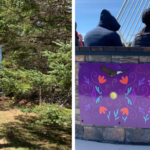
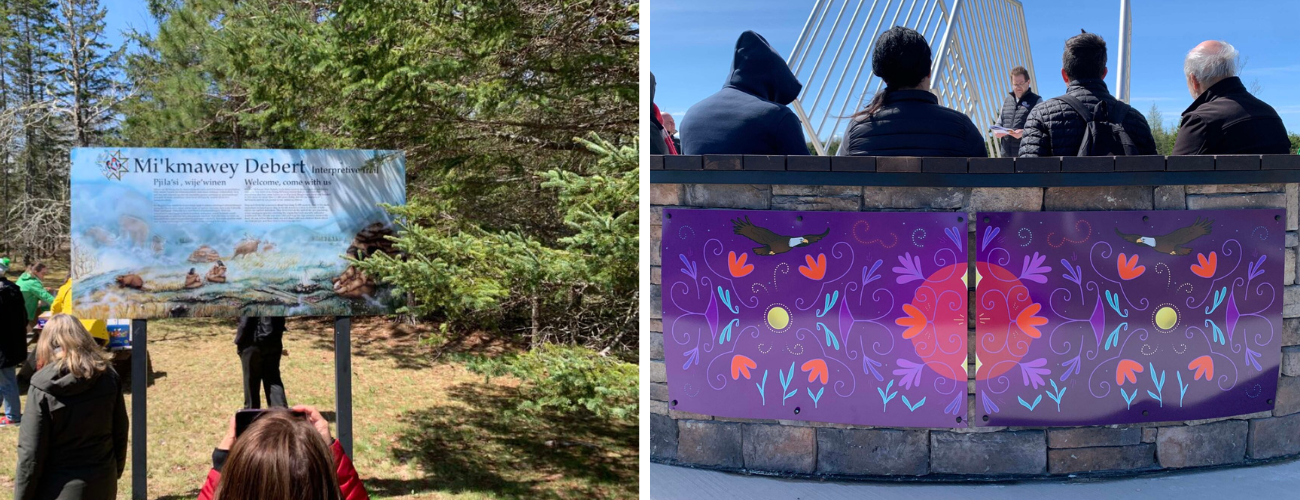
The park honours both the experiences and resilience of Survivors. It includes artwork created by Mi’kmaw artists Ursula Johnson and Michelle Sylliboy, seating designed to embrace visitors and inscriptions reflecting collective strength and remembrance.
By centring Indigenous language, art and Survivor involvement, the park demonstrates how former residential school sites can become places of education, cultural preservation, reflection and community-led healing.
Supporting Indigenous-Led Cultural Education
Participants later visited the Mi’kmawey Interpretive Trail in Debert, Nova Scotia, which has received financial support from Alongside Hope and other partners.
Alongside Hope’s funding for the trail and upcoming cultural centre reflects its strategic shift toward direct, self-determined Indigenous programming across Canada.
The trail is located near important archaeological sites containing evidence of Mi’kmaq ancestors living in the area approximately 11,000 years ago. Interpretive materials help visitors understand the long history of the Mi’kmaq in the region, extending far beyond the period covered in many conventional accounts of Canadian history.
The planned Mi’kmawey Debert Cultural Centre is expected to provide year-round educational programming, gathering space and a permanent home for Mi’kmaq cultural belongings. The organization’s Exploring Our Histories program includes work involving museum collections in Canada and the United States, Indigenous knowledge, archaeology and the residential school legacy.
Work is also underway to return ancestral objects that have been held outside Mi’kma’ki, including materials currently housed at the Smithsonian Institution in Washington, D.C.
The project is predominantly Indigenous-led and staffed. According to Alongside Hope, approximately three-quarters of the cultural centre’s board members speak Mi’kmaq, supporting wider efforts to strengthen and revitalize the language.
What Truth and Reconciliation Means for Canadian Charities
According to Parks Canada, at least 150,000 First Nations, Inuit and Métis children attended residential schools. Although the final federally operated residential school closed in the late 1990s, the system continues to have lasting effects on Survivors, their families and Indigenous communities.
In 2015, the Truth and Reconciliation Commission of Canada released 94 Calls to Action addressing governments, educational institutions, religious organizations, businesses and other parts of Canadian society.
While not every Call to Action refers directly to charities, the nonprofit sector has an important role in advancing reconciliation. Charities frequently work in education, healthcare, community development, social services, arts, culture and humanitarian assistance—all areas in which respectful relationships with Indigenous communities can have a meaningful impact.
That responsibility can include supporting Indigenous-led organizations, compensating Indigenous educators and knowledge holders, reviewing how programs affect Indigenous communities and ensuring partnerships are developed collaboratively rather than imposed by outside organizations.
Educational visits can be valuable, but they should form part of a longer commitment that includes listening, relationship-building and action. Indigenous communities must also retain authority over how their histories, cultural belongings and experiences are interpreted and shared.
How Canadian Charities Can Advance Indigenous-Led Reconciliation
The visit, originally documented by Alongside Hope, reflects a growing movement among Canadian charities to support Indigenous-led reconciliation initiatives through education, partnerships and long-term community engagement.
The most important element, however, is not simply visiting a historic site. Meaningful reconciliation requires charities to examine their own governance, funding decisions, partnerships and institutional histories while listening to the priorities identified by Indigenous communities.
As more Canadian charities consider how Truth and Reconciliation relates to their missions, Indigenous-led partnerships can help move organizations beyond symbolic recognition toward sustained support for language revitalization, cultural preservation, repatriation, education and community leadership.