CharityAxess For Charities

For 25 years, the annual Scrubs in the City gala has taken Toronto's philanthropic community on a journey around the world. Past events have drawn inspiration from destinations like Tokyo, Rome, Mykonos, and Paris, transforming each evening into an immersive experience.

But for its milestone 25th anniversary, the gala chose a different destination: home.

This year's event, appropriately named Scrubs in Our City, brought the celebration back to where it all began, dedicating the evening to Toronto itself and the people who help make the city what it is.

Held at Evergreen Brick Works, the event was a showcase of hospitality, thoughtful planning, and community spirit.

Alongside exceptional food, entertainment, and fundraising, the evening highlighted two things that define Toronto at its best: unwavering support for SickKids and the lasting impact of strong relationships.

A Hometown Celebration Takes Centre Stage

By focusing on Toronto, the event became a tribute to the city's culture, diversity, and energy. Throughout the evening, guests enjoyed performances from local artists and dance groups that reflected the many communities that make up Toronto.

The hometown theme continued throughout the night. Images of Toronto icons Drake and The Weeknd appeared on large screens, while guests sang along to K'naan's Wavin' Flag. With Canadian flags waving throughout the venue, it created a moment of collective pride and a reminder of the children and families at the heart of SickKids' mission.

The celebration also reflected Toronto's rich diversity and cultural identity. Throughout the venue, guests were immersed in familiar city experiences, from TTC station signs displayed on large screens that mimicked a ride through the subway system to beautifully designed Chinatown-inspired visuals projected throughout the space, complemented by a traditional dragon dance performance.

Pride Month and National Indigenous History Month were also recognized through performances by 2SLGBTQIA+ and Indigenous artists, while energetic dancers paid tribute to the Toronto Caribbean Carnival, one of the city's most celebrated annual cultural events. Together, these moments highlighted the many communities, cultures, and traditions that make Toronto unique.

That same spirit carried into the fundraising efforts. A large silent auction featured more than 150 prizes, including luxury travel experiences, custom jewellery, and exclusive packages that inspired enthusiastic bidding throughout the evening.

An Evening of Exceptional Execution

Hosting a large-scale event at a venue like Evergreen Brick Works is no small task. Yet from the moment guests arrived, the evening felt remarkably smooth and well organized.

Parking, often a challenge at major events, was managed efficiently. Registration moved quickly despite the large crowd, with guests checked in and provided with event wristbands in just a few minutes.

The Evergreen Brick Works team set a professional and welcoming tone from the start. Their attention to detail helped eliminate long wait times and allowed guests to quickly enjoy the evening's many food and beverage stations, each curated by local culinary partners.

The result was an experience that felt seamless from beginning to end.

The Human Impact: Stories Behind the Celebration

While the entertainment and atmosphere were impressive, it was the stories of attendees that truly defined the evening.

Many people in attendance had a personal connection to SickKids.

One father standing near the main stage shared that his son had been treated at SickKids 20 years ago. Today, his son is healthy and thriving, yet he continues to attend Scrubs every year. For him, supporting the event is more than philanthropy—it's a way of giving back to an institution that changed his family's life.

The room was also filled with former patients who had once received care at SickKids and have since grown into successful adults contributing to their communities.

Other stories highlighted just how far people were willing to travel to show their support. One attendee stood alongside her sister, who had driven more than four hours from Sudbury specifically for the event. Years earlier, SickKids had played a critical role in saving her nephew's life. The long drive was a small sacrifice compared to the opportunity to give back.

One theme emerged repeatedly throughout the evening: gratitude.

Nearly everyone spoken to shared similar praise for the staff at SickKids. Their professionalism, compassion, and commitment to patient care left lasting impressions on families long after treatment ended.

For many, SickKids was not simply a hospital—it was a source of comfort during some of life's most difficult moments.

Funding the Future Through Precision Child Health

Behind the celebration was a serious and important mission.

This year's fundraising efforts focused on advancing Precision Child Health, an approach that moves beyond the traditional one-size-fits-all model of medicine.

Rather than relying on generalized treatment plans, precision healthcare uses a child's unique genetic, environmental, and lifestyle factors to guide diagnosis, treatment, and prevention strategies.

A major fundraising priority this year is the purchase of a photon-counting CT scanner. This advanced technology represents a significant step forward in pediatric imaging, producing highly detailed images more quickly and accurately than traditional scanners.

Perhaps most importantly for young patients, it can deliver these results while exposing children to significantly lower levels of radiation.

By supporting this initiative, attendees are helping provide clinicians with tools that can lead to faster diagnoses, more targeted treatments, and safer care for children.

Two Key Lessons from Scrubs in Our City

Looking beyond the entertainment and fundraising totals, the 25th annual Scrubs gala offered two important lessons about philanthropy and community engagement.

1. Loyalty Creates Action

People show up for causes that have meaning in their lives.

At a time when individuals have countless demands on their attention and resources, organizations like SickKids continue to inspire remarkable support. Whether it means purchasing a gala ticket, travelling long distances, or dedicating time to fundraising, people are willing to make sacrifices when they believe deeply in a mission.

The evening served as a reminder that genuine gratitude remains one of the most powerful drivers of philanthropy.

2. Relationships Matter Long After Treatment Ends

The event also highlighted the value of long-term relationship building.

Many of the people supporting SickKids today were once patients or family members who received care years, even decades, ago. Their continued involvement demonstrates how lasting trust and positive experiences can create lifelong connections.

The children helped by SickKids today may very well become the donors, volunteers, advocates, and community leaders who support the hospital in the future.

Final Thoughts

Scrubs in Our City demonstrated that a charity gala can be both a memorable night out and a powerful force for change.

More than anything, the evening reflected a city that cares deeply about its future. Through generosity, gratitude, and community spirit, attendees showed that when Toronto comes together for its children, the impact reaches far beyond a single evening.

Written by: Kamarah Curling

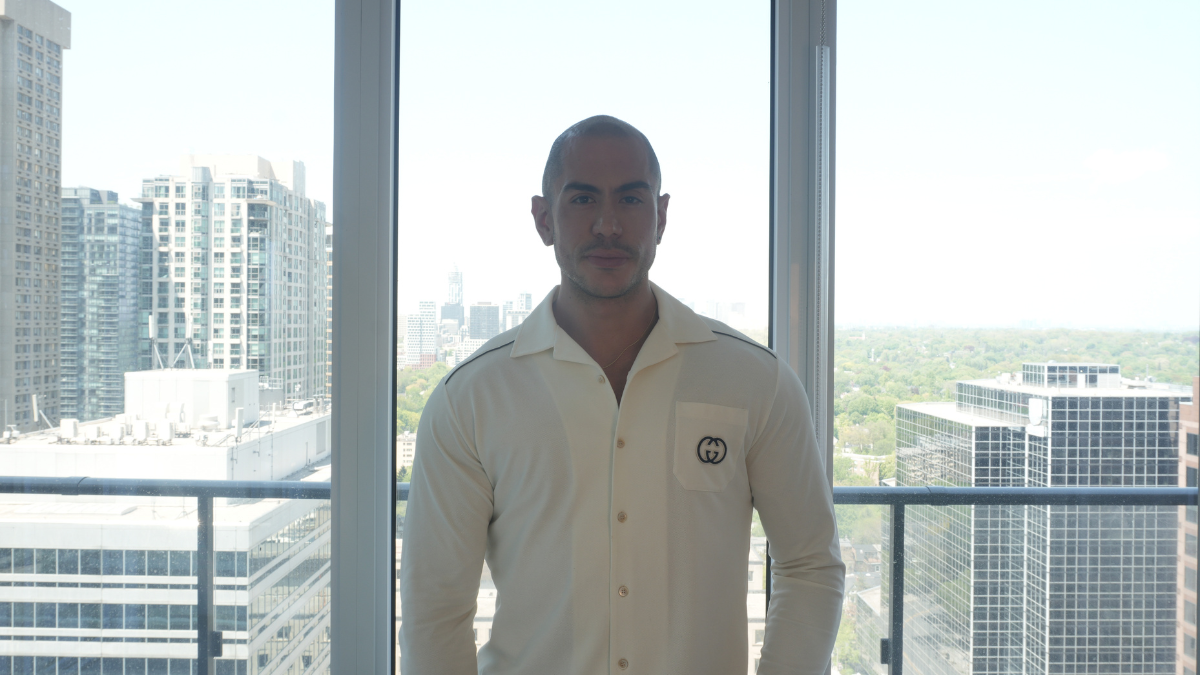
One of Toronto's most recognizable real estate leaders is using his influence to support SickKids' efforts to bring a breakthrough piece of medical technology to Toronto.

If you follow Toronto real estate, you already know James Milonas. Known to his massive digital following as “James In The City,” the Managing Director at The Agency Toronto West is a powerhouse in the market, fresh off leading his team to a top-ranking spot for transaction volume. But if you think his world is strictly limited to sleek multi-million dollar downtown penthouses and high-end client staging, you’re only seeing half the picture.

​When he isn’t navigating one of the most competitive real estate markets in the world, Milonas is changing lives across Toronto.

​Next week, on June 4th, Milonas will trade his luxury open houses for the high-fashion, high-impact crowds of Scrubs in Our City, SickKids’ signature 25th-anniversary gala at Evergreen Brick Works.

For Milonas, attending isn't just about making an appearance on a red carpet; it’s the continuation of a lifelong mandate to give back.

Rooted in First-Generation Grit​

The driving force behind Milonas's philanthropy is deeply personal. As the first-generation Canadian son of immigrant parents, he watched his family build a life and successful businesses in a new country from the ground up.​

“My parents taught me the value of relentless hard work, but more importantly, they taught me that success is meaningless if you don’t pull others up with you,” Milonas reflects. ​That foundational lesson is woven directly into his business model as he supports several local charities annually.

James also supports a number of local charities, including the Canadian National Institute for the Blind (CNIB) and Covenant House Toronto. He encourages young people to get involved in their communities, emphasizing that giving back does not have to mean writing a cheque. Whether through volunteering or joining a planning committee, there are many ways to make a meaningful impact.

‘Scrubs in Our City’ for Next-Gen Healthcare​

On June 4th, Milonas will bring that exact same energy to Scrubs in Our City. This year's milestone event, presented by Holt Renfrew, is raising funds for a photon-counting CT scanner that could help SickKids physicians obtain more detailed images while exposing children to significantly less radiation.

This state-of-the-art technology is expected to advance pediatric precision medicine by providing exceptionally detailed imaging and helping physicians diagnose and monitor conditions with greater accuracy.

For Milonas, supporting initiatives that strengthen the health and well-being of Toronto communities is a natural extension of his long-standing commitment to giving back.

Breaking Stigmas: The Critical Fight for HIV/AIDS Research

​While his philanthropic reach is wide, one cause hits incredibly close to home. As a proud gay man and an influential millennial voice, Milonas has dedicated years to championing the Canadian Foundation for AIDS Research (CANFAR), where he has co-chaired milestone fundraising events like Can You Do Lunch? and served on the committee for Bloor Street Entertains.

Despite major advances in treatment and prevention, HIV continues to affect thousands of Canadians, making research, education, and community support as important as ever.

​For James, using his platform to advocate for HIV/AIDS research is about education, visibility, and breaking down decades of lingering stigma.

​“The conversation around HIV/AIDS research and prevention is as relevant today as it has ever been,” says Milonas. “We have the tools and the science to make an immense impact, but it requires continuous funding, loud voices, and unwavering community support to cross the finish line.”

When James Milonas steps into Evergreen Brick Works next week, he’ll be doing what he does best: championing the city he loves, one block—and one breakthrough—at a time.


Toronto Event Details
What: Scrubs in Our City Toronto
When: Thursday, June 4, 2026
Time: 7 p.m. to 1 a.m.
Where: Evergreen Brick Works
Location: 550 Bayview Ave, Toronto, ON M4W 3X8
Organizer: Holt Renfrew


Written by: Kamarah Curling

Toronto is currently ranked as the top city for accessibility in Canada by the Global Power City Index; however, on a global scale, the city ranks 22nd overall for accessibility.

Despite that progress, many people with disabilities still face barriers navigating everyday spaces throughout the city. When people cannot move through their communities with the same freedom as everyone else, it can create a deep sense of exclusion.

That is part of what Maayan Ziv has spent years trying to change.

Beyond the Stage: What is AccessFest?
AccessFest will return to David Pecaut Square and feature live music, wellness activities, accessibility workshops, panel discussions, community vendors, and interactive experiences designed to be barrier-free and inclusive from the start.

AccessFest is organized by AccessNow with support from the City of Toronto and lead sponsor TD. The festival has grown into what many describe as one of the world’s most accessible festivals.

The Reality of Navigating Toronto in a Wheelchair

Advocates argue people with disabilities should not feel like outsiders in the communities where they live. Accessible design should not be treated like an extra feature added later. It should already exist as part of how cities, buildings, public spaces, and events are designed.

A venue may advertise itself as accessible online, only for visitors to arrive and discover stairs at the entrance, inaccessible washrooms, narrow spaces, or barriers that make everyday experiences frustrating and isolating.

That reality is one of the reasons Ziv created AccessNow, an app that allows users to search for accessible locations, rate their experiences, and share accessibility information about businesses, venues, and public spaces.

The platform was built to help reduce the uncertainty many people with disabilities face every day. Through AccessFest, Ziv is bringing that same philosophy into a large-scale community event.

Turning Advocacy Into Action: The MapMission Tours
One of the festival’s most unique experiences will be its guided MapMission Tours, interactive neighbourhood tours led by people with lived experience of disability.

Rather than simply talking about accessibility in theory, the tours allow participants to experience it in real time while exploring Toronto’s downtown core.

AccessFest is creating accessible experiences and changing how people experience the city. Guests will visit local businesses, map accessibility throughout the neighbourhood, discuss what inclusive design actually looks like on the ground, and experience accessibility barriers in real time.

Some tours will also include behind-the-scenes access to the Princess of Wales Theatre and Royal Alexandra Theatre, offering participants a new perspective on accessibility inside some of Toronto’s most recognizable cultural spaces.

Visitors can participate in chair yoga and accessible soccer, attend an ASL workshop led by Super Bowl halftime show interpreter Julian Ortiz, and hear conversations focused on accessibility in areas such as travel and dating.

The event will also feature performances from Canadian rapper Haviah Mighty and American rock band X Ambassadors, whose keyboardist Casey Harris is legally blind.

AccessFest serves as an important purpose and eye-opening event. The festival challenges the idea that accessibility should be treated as an afterthought and instead pushes for a future where inclusion is built directly into the design of cities, entertainment, technology, and public life.

By combining technology, advocacy, community engagement, and lived experience, Ziv is not just highlighting accessibility barriers. She is helping create a roadmap toward a more inclusive Toronto and a more accessible world.

Want to support a more inclusive community? Discover more local initiatives on our Events Page or help make a difference today by visiting our Find a Charity directory.

Toronto Event Details
What: AccessFest 2026
When: Saturday, June 6, 2026
Time: 10 a.m. to 10 p.m.
Where: David Pecaut Square
Location: 215 King St W, Toronto, ON M5V 3C7
Admission: Free
Organizer: AccessNow

Written by: Kamarah Curling

Canadians are now questioning what happens when life-extending cancer treatments fail Canada’s public funding system.

For the hundreds of Canadian women fighting platinum-resistant ovarian cancer, the arrival of a new treatment option is not just news. It is a matter of survival. This specific form of the disease is notoriously aggressive and highly resistant to standard chemotherapies, leaving patients with exceptionally poor prognoses and limited treatment avenues.

What is Elahere?
Enter Elahere (generic name: mirvetuximab soravtansine). Developed as a first-in-class antibody-drug conjugate (ADC), Elahere operates like a guided missile for cancer cells.

It specifically targets folate receptor-alpha (FRα), a protein heavily expressed on the surface of approximately 35% to 40% of ovarian cancer tumors. By latching onto these receptors, Elahere delivers a potent cancer-killing payload directly inside malignant cells while sparing healthier surrounding tissue.

For a patient community that has gone more than 10 years without a single new therapeutic option authorized in Canada, Elahere represented a monumental leap forward. The treatment offered significant clinical proof of prolonged survival and delayed cancer progression.

The Discrepancy: A Delayed Arrival to Canada
While Elahere represents cutting-edge science, Canadian patients are accessing it at a significantly later stage than their American counterparts.

The U.S. Food and Drug Administration (FDA) granted accelerated approval to the drug in November 2022 based on strong initial trial results, followed by full approval in early 2024. In contrast, manufacturer AbbVie did not submit the drug to Canada’s Drug Agency (CDA-AMC, formerly CADTH) and Health Canada until early 2025.

The Journey: From Approval to the pCPA Table
Once Elahere finally arrived in Canada, it initially moved through the approval pipeline with unprecedented speed thanks to a regulatory pilot project called “Target Zero”. The initiative was designed to eliminate the historical months-long lag between health safety approval and funding recommendations.

August 2025: Health Canada officially granted Elahere its Notice of Compliance, authorizing it for sale.

October 2025: The CDA-AMC issued a positive expert review recommending that Elahere be publicly reimbursed by provincial drug plans. However, the recommendation came with one major condition.

The expert committee noted that while the drug was clinically effective, it did not represent good value to the healthcare system at its current public list price. To achieve cost-effectiveness thresholds, Canada’s Drug Agency stated that a price reduction of greater than 80% would be required.

With this mandate, the file moved to the pan-Canadian Pharmaceutical Alliance (pCPA) in December 2025 to begin confidential price negotiations on behalf of all provinces and territories.

Why Negotiations Broke Down
On May 14, 2026, the pCPA officially closed negotiations without an agreement.

The breakdown ultimately came down to a financial standoff between what the manufacturer required to sustain the commercial viability of bringing an innovative drug to a smaller market like Canada and what Canadian public drug plans were willing to pay based on cost-effectiveness calculations.

When government funding limits collide with the global pricing structure of modern cancer drugs, negotiations can quickly reach a stalemate. The casualty of that stalemate is public funding.

Elahere will not be added to provincial formularies for the foreseeable future, effectively closing the door to public coverage for many Canadian women facing platinum-resistant ovarian cancer.

In a statement provided to CharityAxess, the pan-Canadian Pharmaceutical Alliance (pCPA) said it understood the disappointment surrounding the failed negotiations.

We recognize this decision may disappoint those who were awaiting the results of this negotiation, the pCPA stated. “We want to assure patients, caregivers, and clinicians that the pCPA committed significant time and resources to this file and was eager to come to an agreement.

CharityAxess branded card that says "We recognize this decision may disappoint those who were awaiting the results of this negotiation, We want to assure patients, caregivers, and clinicians that the pCPA committed significant time and resources to this file and was eager to come to an agreement"

The organization emphasized that negotiations are based on clinical evidence and cost-effectiveness assessments provided by Canada’s Drug Agency and Québec’s Institut national d’excellence en santé et en services sociaux (INESSS).

Negotiations are always evidence-informed and value-based,” the pCPA stated. “During the negotiation, AbbVie’s offers didn’t align with the value associated with the clinical and pharmacoeconomic evidence.

While the pCPA declined to disclose specific details due to confidentiality rules, it noted that discussions could potentially resume in the future.

We’d welcome an opportunity to re-engage this file, which can be done through AbbVie submitting an unsolicited proposal,” the organization stated. “Our team would be ready and available to respond should we receive a submission.

The decision has sparked frustration among patients, caregivers, and nonprofit organizations advocating for better cancer treatments and greater investment in ovarian cancer research.

In OVDdialogue, Ovarian Cancer Canada’s peer support online forum, several women expressed fear, frustration, and disappointment following news that negotiations had collapsed.

I too have been hoping to try Elahere since my treatments have been stopped because they are no longer working,” wrote one patient identified as “PAT.” “My CA 125 continues to climb rapidly. I am now waiting to see if I am accepted on a clinical trial. We all want more time.

charityaxess branded card that says "We all want more time"

Another forum member questioned how patients and advocates could pressure stakeholders to return to negotiations.

What exactly can we do to use our collective voices to raise attention and get both parties back to the table?” wrote a user identified as “ALWAYSLEARNING.” “Do we target pCPA? Their leadership team? AbbVie? Our premiers? Prime Minister? Health Canada?

A third user, “Meinvan,” raised concerns about healthcare equity and government spending priorities.
I believe everyone should have equal treatment no matter their geography,” the user wrote. “Government spend billions on pipelines, fifa security yet we can't fund a medication that may give cancer fighters more hope, more time.

What Options Do Canadian Patients Have Left?
With public reimbursement off the table, Canadian patients are left to navigate fragmented alternative pathways. For those seeking access to Elahere, hope now rests on a handful of limited options:

Private Health Insurance
Patients with robust private or employer-sponsored insurance plans may be able to apply for exceptional coverage, although out-of-pocket copays can still remain substantial.

The “AbbVie Care” Patient Support Program (PSP)
AbbVie operates a managed patient support ecosystem. In the wake of failed pCPA negotiations, manufacturers often rely on these internal programs to help patients navigate private insurance appeals or coordinate financial bridging mechanisms.

Compassionate Access and Humanitarian Programs
In severe or exceptional cases, clinicians may advocate for compassionate supply directly from the manufacturer. However, these programs are tightly controlled and remain entirely at the discretion of the pharmaceutical company.

The closure of the pCPA file leaves a bitter reality for many Canadian oncology advocates and patients. While the science to treat a devastating disease now exists, the mechanics of Canadian drug pricing mean access may ultimately depend on the strength of a patient’s private insurance coverage or the willingness of a manufacturer to provide support outside the public system.


Written by: Kamarah Curling, MBA


Frequently Asked Questions

What is Elahere?
Elahere, also known by its generic name mirvetuximab soravtansine, is a targeted ovarian cancer drug designed for patients with platinum-resistant ovarian cancer whose tumors express folate receptor-alpha (FRα). The treatment works by delivering cancer-fighting medication directly into cancer cells while limiting damage to surrounding healthy tissue.

Why is Elahere considered important for ovarian cancer patients in Canada?
Elahere is significant because it became the first new ovarian cancer treatment approved in Canada in more than a decade for this patient group. Many women with platinum-resistant ovarian cancer have limited treatment options once standard chemotherapy stops working.

Is Elahere publicly funded in Canada?
No. Although Health Canada approved Elahere in 2025, negotiations between AbbVie and the pan-Canadian Pharmaceutical Alliance (pCPA) ended without an agreement in May 2026. As a result, the drug is currently not expected to be added to provincial public drug formularies.

Why did negotiations for Elahere funding fail in Canada?
According to Canada’s Drug Agency, Elahere did not meet cost-effectiveness thresholds at its current price. The agency recommended that the drug would require a price reduction of more than 80% before public reimbursement could be considered cost-effective. Negotiations between AbbVie and the pCPA ultimately broke down over pricing and value assessments.

What is platinum-resistant ovarian cancer?
Platinum-resistant ovarian cancer refers to ovarian cancer that no longer responds effectively to platinum-based chemotherapy treatments. This form of the disease is often more aggressive and associated with fewer available treatment options.

Can Canadian patients still access Elahere?
Some patients may still be able to access Elahere through private insurance, patient support programs, compassionate access pathways, or clinical trials. However, access can vary significantly depending on individual circumstances and financial coverage.

What is folate receptor-alpha (FRα)?
Folate receptor-alpha (FRα) is a protein found on the surface of certain ovarian cancer cells. Elahere specifically targets tumors with high levels of this protein, which helps deliver treatment directly to cancer cells.

Has Elahere been approved in other countries?
Yes. The United States Food and Drug Administration (FDA) first granted accelerated approval to Elahere in 2022 before later granting full approval in 2024. Canada approved the drug in 2025.

What is the pan-Canadian Pharmaceutical Alliance (pCPA)?
The pan-Canadian Pharmaceutical Alliance (pCPA) is an organization that negotiates drug prices on behalf of Canada’s provinces and territories. Its goal is to help public drug plans achieve better value and lower costs for medications.

Could Elahere negotiations reopen in the future?
Possibly. The pCPA stated that negotiations could resume if AbbVie submits a new proposal in the future.


As KidsAbility Centre for Child Development enters a new chapter following a particularly challenging period marked by significant staffing reductions, growing public scrutiny, and questions surrounding the future of services for children and youth with disabilities across Waterloo Region, Guelph, and Wellington County, Paige Phillips is stepping into one of the most important leadership roles at KidsAbility Foundation.

Phillips was recently appointed executive director of KidsAbility Foundation, the philanthropic organization that supports KidsAbility Centre for Child Development.

She began her career at KidsAbility Foundation as a senior development officer and worked in multiple roles throughout the organization over the years.

In an exclusive interview with CharityAxess, Phillips reflected on her journey from packing envelopes early in her career to now leading the foundation as executive director.

Having grown within the organization, Phillips brings years of institutional knowledge, community relationships, and firsthand understanding of the families supported through KidsAbility Centre for Child Development.

“KidsAbility has a long history in this region. It is well known and well respected,” Phillips said. “As the executive director of KidsAbility Foundation, I believe it is my job to ensure that we maintain that reputation but also strengthen the relationships we have in this community.”

Phillips said she plans to do this in part by remaining visible and engaged in the community.

Originally founded in 1957 as the K-W Rotary Children’s Centre, KidsAbility Centre for Child Development evolved into one of Ontario’s most recognized child development centres, supporting more than 17,000 children and youth with disabilities and developmental delays.

The Centre has long been viewed as an important pillar in the charitable sector and the Kitchener–Waterloo community. That reputation is part of why the recent layoffs have generated so much public concern.

In March 2026, KidsAbility Centre for Child Development announced it would lay off 21 workers, following another 37 layoffs in October 2025. More than 50 employees were let go within months. The organization also closed its Fergus location.

According to publicly available records, KidsAbility Centre for Child Development receives approximately $25 million annually from the provincial government. Given the scale of public funding involved, the layoffs quickly became a topic of discussion among families, workers, elected officials, and community members.

According to CBC News, KidsAbility Centre for Child Development stated that significant effort went into making the difficult decision and maintained that service delivery would not be affected. However, many families and frontline workers remain concerned about how staffing reductions could impact wait times, workloads, continuity of care, and overall service quality moving forward.

Two local members of provincial Parliament publicly raised concerns following complaints from families regarding reduced service levels after the layoffs. Catherine Fife called for an audit of the organization, while Aislinn Clancy also voiced concerns regarding the situation.

Still, the broader issue may extend beyond a traditional financial audit.

Most registered charities already undergo annual financial reviews and reporting obligations. In the most recent audit publicly available online, conducted by BDO Canada LLP, KidsAbility received a clean audit opinion.

A financial audit can confirm whether spending was properly documented and compliant with accounting standards. What it may not fully answer is whether operational decisions, staffing models, budgeting assumptions, and long-term sustainability planning were aligned with growing community needs.

That is why an independent operational review or strategic analysis may provide more value than financial oversight alone. Questions surrounding service demand forecasting, administrative costs, workforce sustainability, procurement practices, and organizational planning may all deserve closer examination.

The situation has also reignited conversations about nonprofit governance and accountability among publicly funded organizations delivering essential services. While KidsAbility Foundation is separate from KidsAbility Centre for Child Development, periods of public scrutiny surrounding the Centre can also affect donor confidence and philanthropic support connected to the broader KidsAbility name.

Simultaneously, many in the community continue to recognize the long-standing impact KidsAbility Centre for Child Development has had on families across the region. For parents navigating developmental challenges, organizations like KidsAbility often become deeply important parts of a child’s growth, confidence, and long-term well-being.

Phillips acknowledged that her new role requires balancing the needs of multiple stakeholders across the foundation and the wider community.

“I think now as executive director, the difference between my previous roles where I was a fundraiser and I had to consider the donor community and our partners as well, now I have to think about all of our stakeholders,” she said.

She added that every major decision must “balance organizational health, sustainability, finance, and culture” while also considering donors, volunteers, staff, board members, and KidsAbility Centre for Child Development.

As Phillips steps into her new role, she now faces the responsibility of helping support KidsAbility Centre for Child Development through a period of rebuilding and renewed public attention. Given her long history with KidsAbility Foundation, many would argue she is uniquely positioned to help lead the foundation into its next phase of philanthropic growth and community engagement.

For an organization whose motto is “a future of possibilities,” that message is also reflected in Phillips’ upward career trajectory at KidsAbility Foundation, from senior development officer to executive director.

Many community members hope that under this new leadership, the "future of possibilities" continues to include thoughtful oversight, strong community partnerships, and compassionate support for the children and families who rely on KidsAbility Centre for Child Development every day.

Learn more about the organizations supporting disability services across Canada and the impact they make. You can also explore local events happening in your community.

FAQ

1. What is KidsAbility?

KidsAbility Centre for Child Development provides pediatric rehabilitation services to children and youth with disabilities and developmental delays from birth to age 21 across Waterloo Region and Guelph-Wellington. Services include occupational therapy, speech-language therapy, physiotherapy, and autism support delivered in centres, schools, and community settings.

2. Who does KidsAbility serve, and how many families rely on these services?

KidsAbility serves children and youth with disabilities and developmental delays, along with their families, from birth to age 21. Last year, more than 17,000 children across Waterloo Region and Guelph-Wellington accessed services, many of them relying on KidsAbility as their primary source of specialized pediatric rehabilitation care.

3. What is the KidsAbility Foundation?

KidsAbility Foundation is an independent charitable organization that raises funds to support KidsAbility Centre for Child Development through programs, equipment, and services that go beyond what government funding covers. Fueled by passion to foster possibility for children, youth, and families, KidsAbility Foundation inspires philanthropic support, creating a future filled with hope and opportunity.

4. What is the relationship between KidsAbility Centre and KidsAbility Foundation?

The Foundation and the Centre share a name and a commitment to children and families, but they are separate organizations. The Foundation has its own board, its own governance, and its own finances. Its role is to secure donations that enhance the care the Centre delivers (beyond what government funding covers). Donors who give to the Foundation can be confident their gifts are directed to programs and services for kids and families.

5. How are donations to the Foundation used?

Donations support programs, equipment, and care that government funding does not fully address. This includes reducing wait times for screening, expanding access for families who face barriers, investing in modern therapy environments, and funding research and innovation that improve how care is delivered. Every dollar raised stays local and goes directly toward strengthening services for children and families in Waterloo Region and Guelph-Wellington.

For the eleventh year in a row, the number of Canadians making charitable donations has dropped, according to The Giving Report 2024 by CanadaHelps and Environics Analytics.

This downward trend continues even as Canada’s population has surged past 40 million, thanks to record immigration. The paradox is striking: as the country grows and faces crises like inflation, housing challenges, food insecurity, and global environmental and geopolitical tensions, fewer Canadians are stepping forward to donate.

Between 2010 and 2021, the percentage of Canadians making donations fell from 23.4% to just 17.7%. Meanwhile, more than half (57%) of charities report being unable to meet the rising demand for their services, leaving one in five Canadians reliant on charities in 2023—a sobering statistic that speaks to the widening gap between need and capacity.

canada charitable donations deadline

What’s Behind the Decline?

Despite Canadians’ vocal support for causes like healthcare, social services, and climate action, a key disconnect remains between intentions and actions. The report identifies multiple barriers to giving:

Interestingly, generational trends also play a role. While Gen Z leads in volunteerism, Boomers remain the most reliable donors. However, even Boomers, historically the largest contributors, show signs of scaling back due to economic concerns.

“As Canada welcomes more immigrants and faces growing crises, you’d think charitable giving would increase,” says Kamarah Curling, founder of Charity-Help.ca. “Instead, we’re seeing a troubling gap between what Canadians say they value and their willingness—or ability—to act. Economic pressures are real, but even small contributions, monetary or otherwise, can have a big impact.”

One potential bright spot is the Government of Canada’s decision to extend the 2024 charitable donations deadline to February 28, 2025. This move aims to give taxpayers more time to donate, particularly as the busy holiday season often overshadows charitable giving.

Historically, year-end appeals see a spike in donations; this extension could provide struggling charities with some much-needed support.

Bridging the Gap: A Call to Action

CharityAxess urges Canadians to take action today:

As challenges grow, so does the importance of collective effort. Visit CharityAxess to learn how you can make an impact, big or small, and help support Canada’s most vulnerable.


CharityAxess
Stay engaged and connected! Follow us on social media for updates, stories, and ways to make a difference every day.
Newsletter
Stay informed and inspired! Sign up for our newsletter to receive exclusive updates, impactful stories, and ways to support meaningful causes.
* indicates required
Copyright © 2025 CharityAxess | Website by Soda85 Digital
phone-handsetchevron-down linkedin facebook pinterest youtube rss twitter instagram facebook-blank rss-blank linkedin-blank pinterest youtube twitter instagram