B.C. Researchers Are Turning Nature Into the Next Health Revolution
We often think the most powerful treatments for our complex health problems are dependent on the next multi-billion dollar pharmaceutical breakthrough. But what if the most potent medicine is hiding in plain sight, in the forests and parks we are struggling to protect? A different perspective could be the true answer to our modern crisis of stress, chronic disease, and disconnection.
Recent discoveries and innovations are questioning the role of nature. What if embracing nature is not just a nice recreational activity, but a necessary medical and economic intervention?
British Columbia is now pioneering a new, integrated approach to health, recognizing that nature is our most valuable, high-impact asset. It is a source for both drug breakthroughs and daily wellness prescriptions. This isn't just about saving trees, it's a generational opportunity to heal our bodies and the planet at the same time.
The traditional approach to finding cures created an ecological paradox: a life-saving drug often led to unsustainable mass-harvesting that destroyed the very ecosystems supplying the medicine. This is why the first half of the Nature-Health Revolution must be about scientific responsibility.
The work happening at UBC Okanagan, however, provides the blueprint for a better way. Researchers there have successfully identified the two key enzymes that build a rare, potent compound with anti-tumour potential called mitraphylline. By uncovering exactly how plants create this compound, scientists can now reproduce the same process in the lab without relying on destructive harvesting.
This discovery allows us to pivot from extractive practices to "green chemistry." Instead of cutting down tropical trees and contributing to deforestation to extract a tiny, finite amount of the medicine, scientists now have the methods to reproduce the compound efficiently and ethically in the lab.

This new scientific model directly addresses planetary care. By prioritizing scientific innovation over resource extraction, this breakthrough eliminates ecological pressure on endangered species and establishes an ethical foundation for a new, integrated health system.
This discovery is part of a growing shift toward a new kind of medicine—one that heals ecosystems as much as it heals people. The greatest burden on our healthcare system is often stress, anxiety, and disconnection, issues that no pill can solve alone. If science provides the sustainable high-impact drug discovery, the other half of the integrated system must address preventative and community wellness.
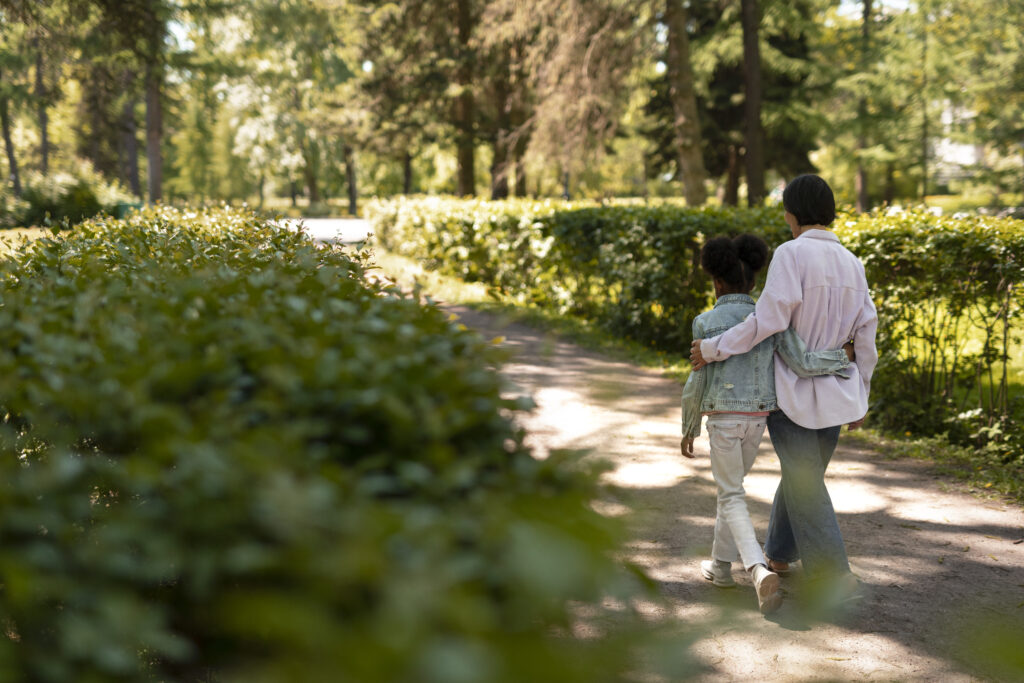
This is where the PaRx (A Prescription for Nature) program completes the circle. This initiative, championed by the BC Parks Foundation, is revolutionary in its simplicity: doctors are literally prescribing time in nature. The science is robust: time spent outdoors leads to measurable benefits like reduced stress and improved mood.
When a doctor prescribes a walk in the park, it creates an immediate and tangible connection between our health and the health of the environment around us. In that moment, nature stops being just scenery and becomes part of our care. The park turns into a kind of medicine, freely available to anyone who needs it. That simple act changes how we see the world. Once we realize we feel better because of a local park, its value shifts in our minds. Protecting that space is no longer just a good deed. It becomes essential upkeep for both our personal well-being and our public health.
This community action locks in the ethical progress made by the scientists. It creates a self-reinforcing mandate: we fund “green chemistry” to protect the environment, and we invest in nature prescriptions to motivate the community to maintain and defend that protected environment.
This integrated vision is ambitious. To scale both high-risk lab discoveries and widespread public health policy, we need partners who can move faster than government bureaucracy: charities and foundations. They are the necessary accelerators that provide the agile funding and coordination required for success.
Scaling Wellness and Stewardship
Donors can drive this Nature-Health Revolution by supporting organizations on both fronts.
Charities like the High Park Nature Centre and the Toronto and Region Conservation Foundation actively support educational programs and conservation initiatives that keep green spaces accessible, similar to the PaRx program. Their work ensures this “medicine” is always available.
To find the next mitraphylline, researchers need early, flexible funding. The Banting Discovery Foundation is a prime example of a registered charity that supports outstanding early-career health and biomedical researchers across Canada with "seed funding" for innovative projects.
By supporting organizations like the Banting Discovery Foundation or the VGH & UBC Hospital Foundation, which supports UBC-affiliated health research and innovation within Vancouver’s hospital network, donors are investing in the next generation of scientists and students driving green chemistry breakthroughs.
The B.C. Nature-Health Revolution is more than a strategy; it is a powerful call to re-evaluate our priorities. It demonstrates that the path to a healthier future for Canadians is not through separation, but integration. We are connecting our personal wellness to the health of our planet.
The future of medicine and the planet aren't separate concepts. They are one and the same, and the solution is waiting in our own backyard. Engage with and support the charitable organizations that are translating this integrated health vision into reality.
Visit our Find a Charity page to explore charities supporting vital healthcare research and advancements.
Written by: Kaloyan Krastnikov, Volunteer Contributing Writer, CharityAxess Writers Program
About the Writer: Kaloyan Krastnikov writes where rigorous thought meets lived feeling. With an approach that values clarity as much as curiosity, he transforms ideas about medical innovation and discovery into stories that illuminate, question, and console. In his free time he reads widely, tinkers with small data projects, and escapes into guitar playing and experimental cooking.