For many parents, addiction is something they imagine happening later in life—or to another family, but not their own child.
It is often associated with adulthood, years of struggle, or severe personal hardship. Yet across British Columbia, substance use and addiction are increasingly becoming youth issues.
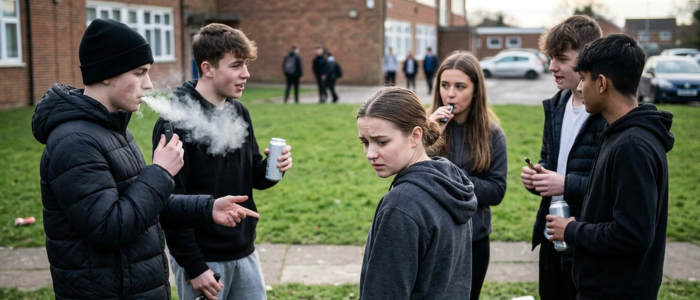
Teenagers are experimenting with substances at younger ages. Vaping has become normalized in many schools, while mental health concerns continue to affect adolescents navigating social pressure, uncertainty, and the lasting effects of the COVID-19 pandemic.
What begins as curiosity, stress relief, or an attempt to fit in with friends can gradually become something far more serious.
The New Reality Facing Youth in British Columbia
Addiction rarely begins overnight. It often starts with choices that may initially seem small: sharing a vape with friends, drinking alcohol at a party, using cannabis to cope with anxiety, or experimenting with substances to escape difficult emotions.
For young people whose brains are still developing, these behaviours can have consequences that extend far beyond adolescence.
As British Columbia continues to confront an ongoing toxic drug crisis, youth substance use deserves far more attention than it currently receives.
The issue is not simply whether teenagers are experimenting. The deeper concern is how easily occasional substance use can become a coping mechanism—and how quickly that coping mechanism can become difficult to control.
Why Early Substance Use Is Concerning
Research has consistently found that the earlier a person begins using substances, the greater their risk of developing dependency later in life.
Adolescence is a critical stage of brain development. The areas responsible for decision-making, impulse control, emotional regulation, and risk assessment continue developing well into a person’s twenties.
Introducing nicotine, alcohol, cannabis, or other substances during these years may interfere with that development and increase a young person’s vulnerability to addiction.
Findings from Health Canada’s Canadian Student Tobacco, Alcohol and Drugs Survey show that vaping remains one of the most common forms of substance use among Canadian youth.
Despite age restrictions, vaping products, alcohol, cannabis, and other substances can still be accessible to teenagers.
What concerns many health professionals is not only how many young people are using these substances, but how quickly experimentation can develop into repeated use or dependency.
Many teenagers—and even some adults—do not view vaping as particularly dangerous. Others assume cannabis is harmless because it is legal. However, repeated use can create patterns that become increasingly difficult to break, especially when underlying mental health concerns remain untreated.
When Mental Health and Substance Use Collide
Youth substance use is rarely only about the substance itself.
Behind many experiences of addiction are deeper struggles involving anxiety, depression, trauma, bullying, emotional distress, loneliness, or instability at home.
Young people often turn to substances not because they intend to become addicted, but because they are trying to manage emotions that feel overwhelming. They may be looking for relief, distraction, connection, or a way to temporarily numb what they are feeling.
Unfortunately, the relief substances provide is often temporary.
Over time, relying on a substance to cope with everyday challenges can become a dangerous pattern. What begins as an occasional coping mechanism can gradually become something a young person feels unable to manage without.
Mental health advocates across British Columbia have repeatedly emphasized that addiction and mental health cannot be treated as completely separate issues. When one is ignored, the other may become more difficult to address.
This connection has become particularly concerning since the COVID-19 pandemic. Increased isolation, disruptions to social development, academic pressure, and growing mental health challenges have left many young people feeling vulnerable and disconnected.
The Cost of Waiting Until It Is Too Late
One of the biggest misconceptions surrounding youth substance use is the belief that teenagers will simply “grow out of it.”
Some may stop using substances without requiring intensive intervention. Others will not.
Without early support, substance use can become deeply rooted in a young person’s life. Academic performance may decline, relationships can suffer, and existing mental health challenges may intensify.
In more serious situations, youth may also become exposed to increasingly dangerous substances within the illicit drug supply.
British Columbia continues to experience the devastating consequences of the toxic drug crisis. Although drug poisonings and substance-related deaths are often discussed in relation to adults, young people are not immune to these risks.
Exposure to contaminated substances and accidental poisoning remain serious concerns throughout the province.
The longer meaningful intervention is delayed, the more difficult recovery may become. This is why treatment programs designed specifically for youth are so important.
Giving Young People a Second Chance
In Vancouver, Peak House has become an important resource for young people experiencing substance-use challenges.
Peak House is a live-in youth treatment program supporting young people between the ages of 13 and 18. It provides a structured environment where youth can step away from some of the pressures and influences contributing to their substance use while receiving professional support.
Rather than focusing only on stopping substance use, Peak House takes a more holistic approach to recovery.
Young people can participate in counselling, education, life-skills development, peer support, and relapse-prevention planning. The program recognizes something many addiction advocates understand well: recovery involves much more than simply quitting a substance.
It is also about helping young people rebuild their confidence, develop healthier coping strategies, strengthen relationships, and imagine a future beyond addiction.
Perhaps most importantly, Peak House provides something many struggling teenagers desperately need—a sense of connection and hope.
For young people who feel isolated, judged, or misunderstood, being surrounded by peers facing similar challenges can be transformative.
Why Youth Substance-Use Treatment Beds Matter
Organizations such as Peak House are part of a broader effort across British Columbia to expand addiction treatment services for young people.
The province supports youth substance-use treatment beds designed for adolescents who require more intensive care.
These treatment spaces provide structured and supportive environments where young people can receive care tailored to their age, circumstances, and stage of development.
Unlike adult treatment programs, youth-focused services recognize that adolescents often require a different approach to recovery. Treatment may involve family participation, educational support, mental health care, peer connection, and age-appropriate counselling.
For youth whose substance use has reached a point where community-based support is no longer enough, access to a treatment bed can become a crucial turning point.
However, demand for youth services continues to grow, raising concerns about whether families can access appropriate support when they need it most.
Addiction is a health issue. It can affect any young person, regardless of their family income, neighbourhood, cultural background, academic performance, or social circle.
The Time to Act Is Now
British Columbia has taken steps to address the broader toxic drug crisis, but preventing substance use from becoming a lifelong struggle must remain a priority.
Peak House and other youth-focused programs demonstrate that recovery is possible when young people receive appropriate support.
Programs that combine substance-use treatment, mental health care, peer connection, education, and family involvement can change the direction of a young person’s life.
However, treatment programs cannot carry this responsibility alone.
Schools, families, healthcare providers, community organizations, and governments all have a role to play in recognizing early warning signs, reducing stigma, expanding services, and ensuring young people can access help before substance use takes hold of their lives.
The question is no longer whether British Columbia is facing a youth substance-use crisis.
The real question is whether society is willing to respond early enough—before more young lives are shaped by something that may have been prevented with timely support, compassion, and care.
Frequently Asked Questions About Youth Substance Use in British Columbia
What causes substance use among teenagers?
There is rarely one single cause. Teenagers may experiment because of curiosity, peer pressure, stress, anxiety, depression, trauma, bullying, family challenges, or a desire to escape difficult emotions. Substance use may also begin socially before gradually becoming a coping mechanism.
What are some possible warning signs of youth substance use?
Possible signs can include sudden changes in behaviour, declining school performance, increased secrecy, withdrawing from family or friends, changes in sleep, unexplained mood changes, losing interest in regular activities, or frequently asking for money. These signs do not always mean a young person is using substances, but they may indicate that additional support or a conversation is needed.
Can vaping become addictive for teenagers?
Yes. Many vaping products contain nicotine, which is addictive. Because the adolescent brain is still developing, repeated nicotine use can create patterns of dependency that may become difficult to break.
Why are youth treatment programs different from adult programs?
Teenagers have different developmental, emotional, educational, and family needs. Youth-focused treatment may include age-appropriate counselling, school support, family involvement, life-skills development, mental health care, and opportunities to connect with peers.
What is Peak House?
Peak House is a live-in youth substance-use treatment program in Vancouver. It supports young people between the ages of 13 and 18 through counselling, education, life-skills development, peer support, and recovery planning.
Where can families learn about youth substance-use treatment in British Columbia?
Families can learn more through the Government of British Columbia’s youth substance-use treatment information. They may also contact a family doctor, school counsellor, local health authority, mental health professional, or youth-serving community organization for guidance.