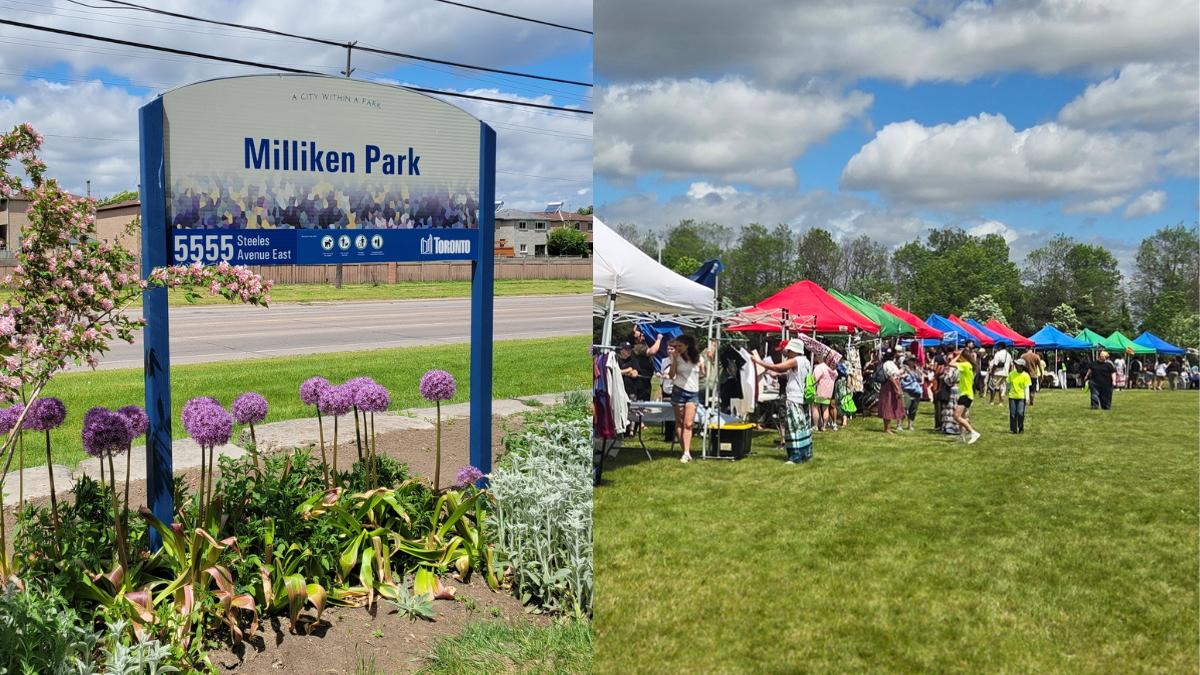
The world, in its current state, was not designed with everyone in mind. For the millions of individuals living with disabilities, navigating a city or attending a major event isn't just a matter of showing up—it is a complex logistical challenge.
Maayan Ziv, a Toronto- based life-long wheelchair user and disability advocate, is working to change that narrative. Through her app, AccessNow, Ziv is building a global movement that celebrates inclusion by connecting people to welcoming places, ensuring that access is a right, not a luxury.
To understand the necessity of Ziv’s work, one must look at the sheer scale of the community. In 2022, approximately 8 million persons in Canada aged 15 and older—roughly 27% of the population—had a disability. This represents a significant increase from 2017, when the rate was 22%.
These people face many different hurdles. Statistics show:
Common issues include pain, mobility, and mental health.
Even with these high numbers, barriers are everywhere. Recently, 72% of Canadians with disabilities hit obstacles in public areas, online, or in how others treated them.
As festival season arrives for events like Osheaga or VELD, Ziv notes that the biggest hurdle isn’t the ticket price, but rather the “planning tax.” People without disabilities can easily go to a show on a whim, but those with disabilities must spend hours on logistics. They have to apply for access programs, find transportation, and study venue maps, which in turn ruins the fun and limits freedom.
AccessNow helps ease these barriers. The app lets users:
“Too often, accessibility is treated as a box to check. The result is a cycle of retrofits where people with disabilities are accommodated, but not fully included,” said Ziv.
“AccessFest was created to challenge that: to show what’s possible when accessibility leads, not follows, and to set a new standard for what inclusive experiences can look like.”
There is a big difference between basic tools and true inclusion. Many festivals now use ramps or trained staff, but Ziv says a gap remains between "helping" someone and actually including them.
Data shows we need better design. Roughly 56% of Canadians with disabilities face barriers in public. Common problems include:
Ziv’s firm consults with groups to create custom programs that focus on dignity to ensure every guest feels like a real participant.
Maayan’s advocacy for the community extends beyond her app and into critical research. She recently took part in a collaborative research project with Muscular Dystrophy Canada and partners from the University Health Network and Holland Bloorview.
This research specifically showcased the daunting challenges disabled people face in air travel, a sector where 63% of Canadians with disabilities encounter significant barriers.
Reflecting on the importance of this collaboration, Maayan shared: “When the community comes together, we can make real change happen. Proud to have been a mobilizer and collaborator in this research to showcase the challenges disabled people face in air travel.”
We need to change how we view "normal" design. Ziv proves that when we build for accessibility, everyone wins. Whether it is a festival or a government site where 1 in 10 people hit barriers, the goal is a smooth experience. By mapping the world, Ziv isn't just showing what is broken; she is giving us the map to fix it.
Creating a truly inclusive world requires a two-pronged approach. While AccessNow the power of information directly into the hands of users, Canadian charities provide the essential framework to support those users. These organizations work on the ground to provide transit, home modifications, and legal advocacy.
When we use Ziv’s app, we navigate the world as it is; when we support charities, we fund the world as it should be. Charities bridge that gap by offering peer support and helping people navigate complex federal benefits, ensuring no one is left behind.
To find and support organizations dedicated to these shared goals, you can explore this curated list of charities focused on disabilities and accessibility.
Nova Scotia’s nonprofit and charitable sector continues to prove its strength and value. The 2025 State of the Sector Report paints a picture of steady progress and ongoing strain. It shows organizations that drive local economies, care for communities, and innovate through challenge. Yet it also reveals a sector still searching for stability, fair wages, and sustainable funding.
According to Statistics Canada data cited in the report, Nova Scotia’s nonprofit sector contributed $1.426 billion to the province’s GDP in 2023, up from $1.096 billion in 2020. It now supports more than 21,600 jobs, marking a small but meaningful increase from the early pandemic years. These numbers make clear that charities and nonprofits are not only helping people—they are also powering Nova Scotia’s economy.
Even so, many of those workers continue to earn less than their counterparts in other sectors. Wages are roughly 20 percent below national averages. Women make up two-thirds of the workforce and still earn about 8.5 percent less than men, although that gap has narrowed in recent years.
For most organizations, the biggest worry is still money. About 63 percent rely on government funding as their main source of income, while fewer than one in five depend primarily on corporate or private donations. More than half of respondents reported an increase in revenue over the past three years, suggesting gradual recovery after the pandemic.
However, growth in revenue does not necessarily mean greater stability. Other studies show that the public is relying on community programs more than ever. Demand for food banks, shelters, mental health services, and employment programs continues to rise, stretching organizations already working with limited resources.
Interestingly, Ontario’s 2025 nonprofit survey echoes a similar pattern—organizations there are also facing higher demand but with flat or declining revenues. Where Ontario nonprofits are increasingly drawing from reserve funds to stay afloat, Nova Scotia’s report suggests that smaller organizations here are at higher risk of financial vulnerability due to limited diversification of funding.
People remain at the heart of the sector’s success—and its struggles. Thirteen percent of surveyed organizations have no paid employees at all. Among those that do, most want to pay a living wage but fewer than half are able to. Many lose staff to better-paid jobs or unstable funding cycles.
At the same time, volunteer shortages are becoming a major issue. Nearly three-quarters of organizations depend on volunteers, but only half have enough to meet their needs. Board recruitment is also difficult, with just 44 percent able to maintain a full complement of members.
Ontario’s findings again mirror this trend. Although some improvement was noted in staff and volunteer recruitment, nearly half of Ontario organizations still report ongoing challenges—suggesting that the labour strain is a Canada-wide concern rather than a regional one.
Despite these pressures, Nova Scotia nonprofits continue to find creative ways to support staff and volunteers. Many have embraced flexible schedules, remote work, and stronger benefit packages to help offset low wages and heavy workloads.
The report highlights encouraging signs of progress in justice and equity. Over half of surveyed organizations have introduced new initiatives, and most of those have turned good intentions into concrete policies and strategic goals. This shift from learning to action shows that inclusion is becoming a core part of nonprofit identity in Nova Scotia.
Beyond immediate challenges, many organizations are looking toward collaboration and transformation. Nearly 60 percent are exploring shared services to reduce costs or strengthen partnerships, and one in five has experimented with social financing. These approaches suggest a readiness to innovate, even without major new funding sources.
The State of the Sector Report offers valuable insight into the realities of nonprofit life, but future editions could go even deeper. Including diversity data—such as representation of racialized and Indigenous leaders—would help show whether inclusion efforts are working. A closer look at restricted versus unrestricted funding could clarify how financial flexibility affects innovation. More detail about funding sources beyond government, such as corporate partnerships or individual donors, would also help identify where new opportunities lie.
This is where platforms like CharityAxess can make a difference. By increasing public visibility for charitable organizations, CharityAxess helps nonprofits connect with a broader audience of potential supporters. The platform highlights the real costs behind community impact—staff time, programming, and outreach—while encouraging individuals and businesses to step forward as donors.
By showcasing stories of innovation and resilience, CharityAxess helps diversify the funding pipeline across the province. It allows smaller and rural organizations to be seen and supported, bridging the gap between awareness and action.
The 2025 findings show a sector that refuses to stand still. Nonprofits in Nova Scotia continue to deliver essential services, drive local economies, and shape a more just society. What they need now is sustainable investment, fair compensation, and recognition of the vital role they play.
With platforms like CharityAxess helping to connect causes with communities, the sector has an opportunity not just to recover, but to grow stronger—ensuring that those who serve others have the support they need to keep making a difference.
About the Writer: Thea King is a volunteer writer with the CharityAxess Writers Program. She studied Communication at the University of The Bahamas and is passionate about storytelling that uplifts communities and highlights social impact. As an emerging writer, Thea is gaining hands-on experience in nonprofit journalism while exploring how media can inspire positive change.
Image of Lighthouse in Nova Scotia by Marina Hobbs from Pixabay
Charities and Community Organizations Rally to Support Jamaica and the Caribbean
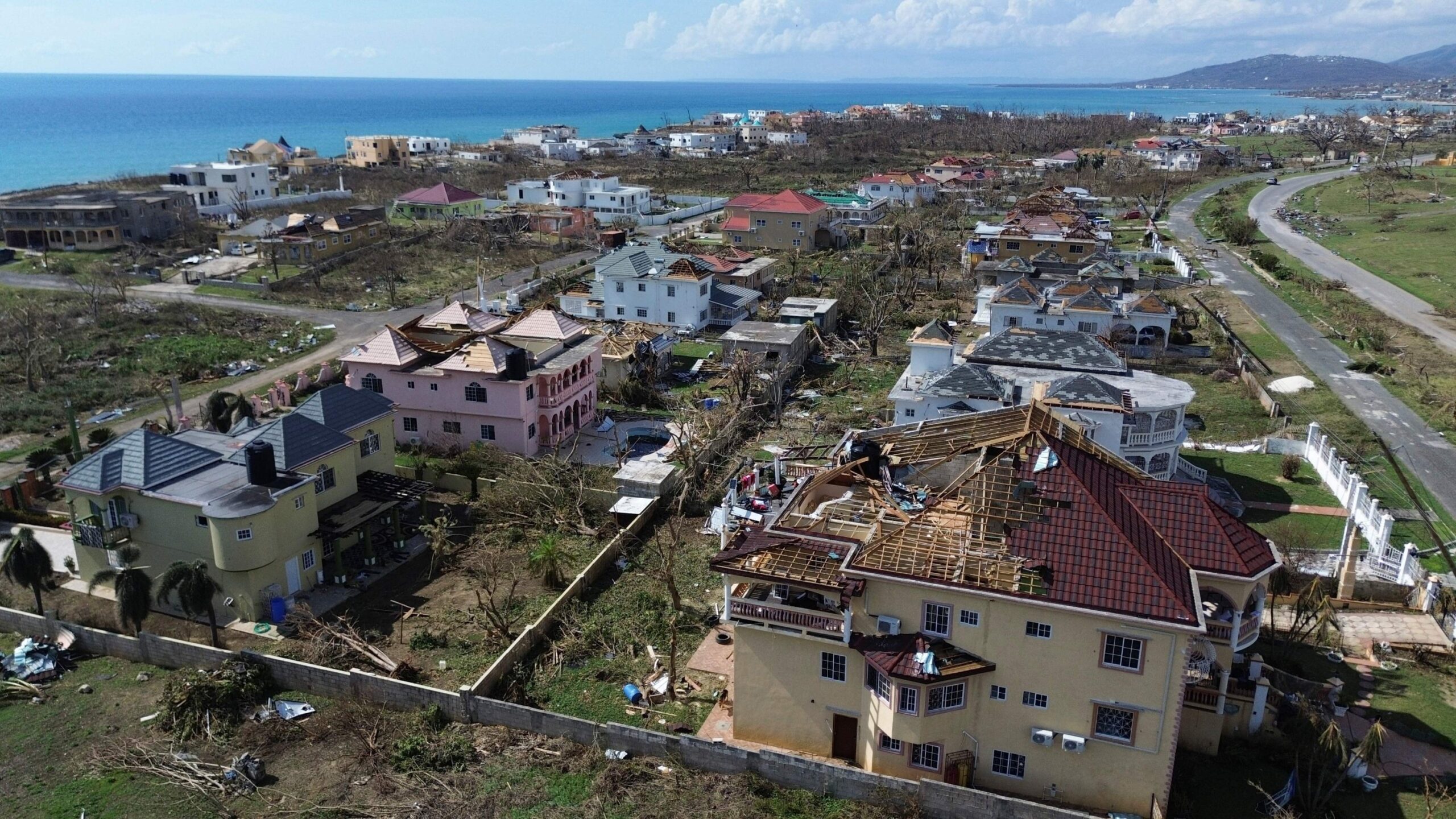
When Hurricane Melissa tore through Jamaica and parts of the Caribbean in late October 2025, it left behind a trail of destruction and heartbreak. Entire communities were flooded, homes and roads were washed away, and thousands were left without power, water, or shelter. Yet amid the devastation, compassion and action quickly rose to the surface. Charities and community organizations, both local and international, have mobilized to bring relief, rebuild hope, and remind the region that it is not alone.
Hurricane Melissa struck Jamaica as a Category 5 storm, making it one of the strongest hurricanes in recent Caribbean history. Similar in strength to Hurricane Dorian, which devastated parts of The Bahamas in 2019, Melissa unleashed heavy rains and storm surges that overwhelmed critical infrastructure across Jamaica. Landslides isolated rural towns, disrupted supply lines, and left entire communities inaccessible. In the days following the storm, access to clean water, electricity, and basic medical care became urgent priorities.
But while the scale of the crisis is immense, so too is the global response. Across Jamaica, Canada, and beyond, humanitarian organizations are working around the clock to provide food, clean water, shelter, and long-term recovery assistance.
Relief Efforts and the Organizations Leading the Way
The Salvation Army Canada
The Salvation Army is playing a vital role in emergency response across Jamaica and the wider Caribbean. As the Canadian branch shared in a recent statement, the organization has paused to pray for those affected and for the courage of emergency responders and volunteers assisting communities on the ground. Before the storm made landfall, Salvation Army officers in Jamaica worked tirelessly to urge residents to relocate to government-designated shelters, and they continue to assess needs across affected areas.
Hurricane Melissa, with sustained winds reaching 185 mph (298 km/h), is the most powerful hurricane to strike Jamaica in modern history. The government has declared a national state of catastrophe, with widespread infrastructure damage, power outages, and community displacement. The Salvation Army’s divisions in Jamaica — which include 42 corps and nine outposts — are providing emergency aid, food, and shelter, while ministering to those living on the streets to ensure their safety.
The organization is also monitoring developments in Cuba, where the storm caused flooding and property damage, and in nearby nations including Haiti, the Dominican Republic, the Bahamas, and the Turks and Caicos Islands. Salvation Army teams across the region are coordinating with local governments and international emergency services to deliver continuous support where it is most needed.
Canadian Red Cross
The Canadian Red Cross has a long history of working closely with partners in the Americas, including the Jamaica Red Cross, Haiti Red Cross, Cuban Red Cross, and Dominican Red Cross. Together, these organizations form part of a coordinated humanitarian network responding to crises across the region.
In response to Hurricane Melissa, the Canadian Red Cross has deployed humanitarian experts to Panama and Jamaica to support the Jamaica Red Cross and the International Federation of the Red Cross. More than 18,000 emergency relief items — including menstrual hygiene management kits, hygiene parcels, shelter toolkits, mosquito nets, and other vital supplies — are being sent to Jamaica. These resources, maintained through ongoing support from the Government of Canada and public donations, ensure that relief can be deployed rapidly in times of disaster.
Pre-positioned tarps and other emergency stocks have also been distributed, helping the Jamaica Red Cross reach affected families more quickly. Canadians wishing to assist can donate directly to the Canadian Red Cross Hurricane Melissa Appeal, which supports life-saving aid and ongoing recovery across the Caribbean.
GlobalMedic
Toronto-based GlobalMedic is currently in Jamaica distributing water filters, emergency kits, and food across the country’s northwest side, according to the organization’s executive director, Rahul Singh. Known for its rapid-response model, GlobalMedic specializes in delivering life-saving supplies within days of a disaster, ensuring that families in hard-to-reach areas have access to clean water and essential relief items. Their teams are working alongside local partners to stabilize affected communities and prepare for longer-term recovery operations.
Jamaica Foundation of Hamilton
The Jamaica Foundation of Hamilton has been actively coordinating relief efforts to support communities affected by Hurricane Melissa. The organization is accepting donations, including e-transfers, with all funds being directed to the Government of Jamaica to assist in national recovery and rebuilding efforts.
In addition, the Foundation is partnering with the African-Canadian Caribbean Association and the Hamilton Caribbean Women’s Group to host a Hurricane Melissa Relief Concert on November 8th. The event will bring the community together in solidarity, raising both awareness and funds to help those impacted by the storm.
Through these efforts, the Jamaica Foundation of Hamilton continues to demonstrate the strength and compassion of the Caribbean diaspora, uniting people across Ontario in support of Jamaica during this critical time.
Helping Hands Jamaica Foundation
Helping Hands Jamaica Foundation (HHJF) has launched a Hurricane Relief Fund to provide life-saving assistance to students and families impacted by the storm. The organization, known for building 27 schools and offering scholarships and meal programs across Jamaica, is now mobilizing its network to respond to this humanitarian crisis.
In a statement on Instagram, HHJF shared:
“Hurricane Melissa is about to make landfall upon our beloved communities in Jamaica; we are in dire need of donations to be ready to support. Your support has been instrumental in furthering our mission to provide access to education to all children of Jamaica, and right now, we need your help more than ever.”
Many of the schools built by HHJF are now serving as emergency shelters, providing protection for families displaced by flooding and damage. Donations made to the organization during this period will directly support relief and rebuilding efforts.
The Samaritan’s Purse Canada
Samaritan’s Purse has been responding in Jamaica since Hurricane Melissa struck, establishing relief operations in Black River and other hard-hit communities. The organization has already completed four airlifts, carrying more than 100 tons of relief supplies to the island.
Their response includes distributing household kits, setting up community water filtration systems, and providing household water filters to ensure access to clean water. On November 5, Samaritan’s Purse opened an Emergency Field Hospital in Black River, equipped to deliver emergency medical and surgical care, obstetrics, and pharmacy and lab services to surrounding communities.Working alongside local churches and community leaders, Samaritan’s Purse is identifying needs and providing essential supplies to families facing devastating loss — offering both practical aid and compassion in a time of crisis.
In Canada, diaspora communities have been quick to organize.Groups like the Jamaica Foundation of Hamilton, Jamaican Canadian Association (JCA), Jamaicans in London, Ontario, the Afro-Canadian Caribbean Association, and the Hamilton Caribbean Women’s Group are mobilizing fundraising events, collecting supplies, and partnering with larger organizations to ensure that aid reaches those most in need.
The Jamaican Canadian Association has issued an urgent appeal for donations of non-perishable food items to support relief efforts and help rebuild affected communities. The requested items include bottled water, baby food, boxed juice, powdered milk, dry foods, and canned goods. Donations can be dropped off at the JCA Monday to Saturday between 10:00 a.m. and 5:00 p.m.
These groups play a crucial role in bridging the gap between donors in Canada and families in Jamaica. For many Caribbean Canadians, the crisis is deeply personal — and their rapid response shows the strength and unity of the diaspora community.
Recovery from Hurricane Melissa will take months, if not years. Beyond emergency aid, communities will need help rebuilding homes, repairing schools, restoring farmlands, and addressing the mental-health toll of displacement and loss. The region’s resilience is remarkable, but continued global attention and coordinated support are essential.
For those who wish to help, donating to verified charities remains the most effective way to make an impact. Contributions to groups such as the Canadian Red Cross, GlobalMedic, Helping Hands Jamaica Foundation, Samaritan’s Purse Canada, The Salvation Army, and the Jamaican Canadian Association go directly toward relief and rebuilding efforts.
Standing Together
As the Caribbean begins to recover, these acts of generosity remind us that compassion knows no borders. Whether through international organizations, local charities, or diaspora-led initiatives, the world is rallying behind Jamaica and its neighbours with empathy, strength, and solidarity.
Hurricane Melissa may have tested the region’s resilience — but it has also revealed its enduring spirit of unity, courage, and hope.
About the Writer: Thea King is a volunteer writer with the CharityAxess Writers Program. She studied Communication at the University of The Bahamas and is passionate about storytelling that uplifts communities and highlights social impact. As an emerging writer, Thea is gaining hands-on experience in nonprofit journalism while exploring how media can inspire positive change.
Aerial view of flood-affected areas in Westmoreland, Jamaica, following the devastation caused by Hurricane Melissa. — Photo by Agence France-Presse (AFP)
Toronto is a metropolis that values kindness, range, and community. Every day, numerous charity corporations in the city's neighborhoods work to assist those in need, make communities more potent, and make the world a better place. Toronto is domestic to a number of Canada's most devoted and provoking charity organizations in Toronto. These agencies assist with whatever from meal banks and shelters to schooling tasks and environmental issues. If you need to provide money, volunteer, or just learn about the great things taking place in your town, this Toronto charity directory will help you locate the exceptional ones.
There are thousands of people in Toronto whose lives are better because of the work of charity groups. These groups work on a lot of different things, like reducing hunger, helping individuals with mental health issues, taking care of the elderly, and safeguarding the environment. Toronto charity directory is special because it has a robust network of local non-profits that work with communities to make lasting changes. Each group, no matter how big or little, has a vision of kindness and service that makes the city's social fabric stronger.
Donating money, time, or skills to a charity in Toronto makes a difference right away. Food banks guarantee that no one goes hungry, especially when the economy is bad. People who are homeless can feel safe and comfortable in shelters. Charities that focus on education help kids learn better, and charities that focus on health help families deal with medical problems. A lot of the charities in Toronto are also focused on helping animals, protecting the environment, and helping young people. Each cause is a part of the city's heart, which makes it a better place for everyone to live.
There are definitely a few factors for all and sundry close to choosing the greatest charity in Toronto. Some groups paintings on quick-term requirements like food and housing, at the same time as others paintings on long-term change through training and activism. For example, corporations that assist refugees and immigrants make newcomers feel welcome and supported. Some humans assist the environment via planting bushes, slicing down on trash, and taking care of town parks. You may also additionally pick out a Toronto charity that suits your values and goals exactly, regardless of what you care approximately
Volunteering is one of the best ways to get to know local non-profits in Toronto. Most charities rely on volunteer opportunities Toronto to help with things like giving out food, mentoring young people, cleaning parks, and supporting events. A lot of groups let volunteers choose when they want to work, so it's easy to help out even if you're busy. When you volunteer, you help other people and learn new skills, meet new people, and feel more connected to your community.

There are so many charities to choose from that it's crucial to pick one that fits with your beliefs. Think about the issues that are most important to you, like helping kids, safeguarding the environment, or making healthcare easier to get. You may also make an informed choice by looking into how a charity spends its money and how open it is about its results. The best thing about Toronto's non-profit scene is that it is open and diverse, so you can choose a cause that you can trust and that matters to you.
Local non-profits Toronto do more than just help individuals; they also connect them. Many of these groups are headed by people from the community, which means they know what problems their areas face. This method makes sure that solutions are useful, personal and long-lasting. Local non-profits exemplify what community service in Toronto really means: neighbours assisting neighbours. They do this by making programs for young people, helping seniors, or helping groups that are often left out
In a world that changes quickly, we need strong, caring communities more than ever. People need to get together and help each other because of economic problems increased living costs and social isolation. Toronto charities offer the support structure that people need. When you provide money or time you're not just helping one individual; you're starting a chain reaction that affects many people in the city.
People who care enough to do something make Toronto's charities strong. Every little thing you do makes a difference. When people families and businesses work together with local groups they make a city that shows hope equality and kindness. Toronto is still growing as a paradigm of urban generosity through small acts of giving and kindness.
The real picture of Toronto is demonstrated by the charities in the city that are varied, hospitable, and motherly. Every step that you take in supporting Toronto charities (whether you want to volunteer, donate to local non-profit organizations, or even find the most effective ones) is a difference. When you donate your time, skills, or money, you make not only people stronger but entire communities as well. In case you are interested in engaging in something meaningful and seeking meaningful ways to contribute, visit the entire Toronto charity directory at charityaxess.ca. With each click you are brought closer to transforming lives.
1. What are the top charity organizations in Toronto?
Numerous reputable charities in Toronto promote such causes as hunger relief, housing, education, and the environment. Both organizations strive to make the city a better place to live in and a stronger community.
2. Where can I find a reliable Toronto charity directory?
The good Toronto charity directory is charityaxess.ca, which provides reliable information about existing local charities, their missions, and how to become involved.
3. How can I donate or volunteer for charities in Toronto?
You may donate or volunteer either by going to charity websites or simply by getting in touch directly, or by registering online via websites that provide directories of programs and opportunities.
4. What are the most impactful local charities in Toronto?
Relevant charities in Toronto are those with a profound local impact on their communities in the form of food, shelter and education, thereby making a significant lasting change to the community.
5. How do charity organizations in Toronto support the community?
Toronto charities work with communities to offer maximum services, enhance inclusion, and encourage volunteerism, which enhances ties and lives in the city.
The world feels a little warmer these days, literally. As global temperatures keep creeping up, so do the risks of devastating wildfires. We've seen the headlines: fires tearing through parts of Greece, Spain, and U.S. states like California, wiping out homes, forests, and landscapes people have loved for generations. In Greece, some families had no choice but to escape into the sea as flames closed in on coastal towns like Patras and the islands of Zakynthos and Chios. In Spain, heatwaves sparked fires in seven different regions. And in California, thousands have been forced from their homes as wildfires ripped through dry terrain.
This isn’t just happening “over there.” It’s happening right here in Canada.
Wildfires have swept through Manitoba, Saskatchewan, and Newfoundland & Labrador this year, and they’re part of a bigger pattern. Canada is warming at twice the rate of the global average, and the impact is becoming impossible to ignore (Government of Canada, 2019).
Last year, wildfires burned through a staggering 16.5 million hectares of land across the country—an area bigger than Greece—making 2023 our worst wildfire season ever recorded. While 2025 hasn’t reached the catastrophic levels of last year—so far—it’s already among the top five worst fire seasons, with over 5.3 million hectares burned (Canadian Climate Institute, 2025)

That brings us to Newfoundland & Labrador.
People in those communities are still trying to recover—emotionally, physically, and financially—from the devastation caused by the wildfires. Many families have had to evacuate, some more than once, and the full impact is still unfolding. In response, the Canadian Red Cross has launched the 2025 Newfoundland & Labrador Wildfires Appeal, with teams already helping on the ground: offering shelter, emergency supplies, hygiene kits, and emotional support. But recovery isn’t quick. It takes time. And help. A lot of it.
If you’re thinking of donating, here’s something worth knowing: at least 92 cents of every dollar goes directly toward helping people. The rest covers essential admin and fundraising which the Canadian Red Cross promises will never be more than 8%.
And it's not just Newfoundland & Labrador feeling the heat. In Manitoba, wildfires have burned through more than 275,000 hectares, displacing entire communities. Saskatchewan has seen even worse, with over 850,000 hectares lost—well above the seasonal norm, and well into what used to be considered the “off-season”.
So… how can you help?
Here’s what makes a real difference:
Donate to the Newfoundland & Labrador Wildfires Appeal. Even $10 helps someone take a step toward safety and stability.
Can’t donate right now? No worries, you can still be part of the solution:
These fires are more than just breaking news. They’re real lives, real loss, and real opportunities for us to show up.
Behind every wildfire is a family trying to find safety. A volunteer offering a warm blanket. A neighbour helping rebuild. When we act with compassion, we don't just fight fires, we help people find their way back to something like normal.
Let’s be that help.
Click here to find more charities committed to fighting environmental crises and the effects of global warming.
From vintage fighter jets to full-throttle flight simulators, this Edmonton event is a dream come true for aviation lovers and curious families alike.
What if you could slide into the cockpit of a Cold War-era jet, run your hands over the controls, and imagine what it was like to soar across the sky decades ago?
That’s exactly what Open Cockpit Day offers, and this year marks its 10th anniversary. Hosted by the Alberta Aviation Museum in Edmonton, this one-day-only celebration has grown into a must-see event for families, aviation fans, and anyone looking for a unique day out.
Whether you’re into history, hands-on experiences, or just want something fun to do with the kids, this is the kind of event that delivers big memories.
Unlike your typical museum visit, where touching is usually off-limits, Open Cockpit Day flips the script. Visitors are encouraged to get inside the story — literally!
With more than 20 aircraft on display and over a dozen cockpits open to explore, it’s a rare chance to sit where real pilots once sat. From rugged bushplanes to sleek jets, these machines have serious stories to tell. And you don’t need to be an aviation buff to be amazed.
Photo ops? Absolutely. But it’s more than that. It’s about the feeling you get when you imagine the wind, the roar, and the risk that comes with every flight. You don’t just see the aircraft, you connect with them!
Inside the museum, things only get better. The flight simulator lab lets you try your hand at navigating the skies in a digital world. It’s as close as most of us will get to flying a plane — and it’s just as exciting as it sounds.
For younger visitors, kid-friendly activities are set up throughout the space, giving them their own adventures to dive into. There’s also plenty of delicious food available from local vendors, so you can refuel between hangars.

This year also includes something new, a community showcase in the event hall.
It’s a space to connect with local nonprofits and community leaders who are making a difference in Edmonton. From youth programming to mental health resources and more, the showcase adds a meaningful layer to the event. And if something resonates with you, you can keep the momentum going by exploring these organizations on CharityAxess.
It’s a reminder that while planes may be the main attraction, it’s people and stories that give this event its heart.
???? Location: Alberta Aviation Museum, Edmonton
???? Date: Saturday, September 20, 2025
???? Time: 10:00 AM to 4:00 PM (last entry at 3 PM)
Tickets grant full access to open cockpits, simulators, museum exhibits, and the community showcase.
Open Cockpit Day is a one-of-a-kind journey through the skies of history. Whether you’re visiting with kids, catching up with friends, or rediscovering a childhood fascination with flight, this milestone edition is the perfect excuse to spend a Saturday doing something truly memorable.
And while you’re there, check out the inspiring community work being done in Alberta. You can find more about the featured charities on CharityAxess.ca. Because when local people come together, whether to fly or to serve, amazing things take off.
Disclaimer: This article was generated with the assistance of artificial intelligence and has been fact-checked and reviewed by a human editor for accuracy and clarity.
What if the next game-changing breakthrough in kidney health came from a voice that had been previously unheard? That’s the radical and refreshing question at the heart of KRESCENT’s latest evolution—and it’s one that could transform not just research, but the future of healthcare for millions.
KRESCENT (Kidney Research Scientist Core Education and National Training) isn’t just another acronym in a sea of Canadian health programs. Since 2005, it’s been the backbone of kidney research training in Canada. But in 2024, something extraordinary happened: the program took a bold step forward by tackling a long-standing issue in academic research—the lack of representation from Black and Indigenous communities.
The stats were eye-opening. Of 102 trainees over the program's lifetime, only one identified as Black. None identified as Indigenous. This wasn’t just a gap; it was a canyon. For a disease that disproportionately affects these communities, the absence of their perspectives in research was more than a blind spot—it was a critical flaw.
So KRESCENT got to work. But instead of slapping on a diversity label and calling it a day, they created the KRESCENT Summer Studentship Award with a crystal-clear goal: empower young Black and Indigenous scholars to pursue kidney research in a culturally safe, financially supported, and mentorship-rich environment.

Equity in research isn’t a “nice to have”; it’s a scientific necessity. Diverse research teams ask better questions. They think outside the box because their lived experiences are different. They see what others might miss. For kidney research, where systemic barriers, access issues, and cultural context all play a role in health outcomes, representation isn’t just important, it’s urgent.
Enter three brilliant minds: Tolu Ehindero, Halimat Ibrahim, and Chloe Williams. These inaugural KRESCENT Summer Studentship recipients didn’t just get lab coats and projects; they got tailored mentorship, matched supervisors, and paid stipends that let them focus on learning, not surviving.
Halimat, who worked at the University of Alberta, described it best: "It provided me with a safe environment to explore kidney research and gave me a unique chance to work alongside experts in the field." For Tolu, the experience was about connection: "It wasn’t just the research, it was the amazing people I met. I felt like I belonged."
The program isn’t just about pipettes and petri dishes. It’s about rewiring the culture of research to be more inclusive from the ground up. That means tackling financial inequities with competitive wages. It means pre-matching students with supervisors so they don’t have to cold-email professors who may not see their potential. It means cultural competency training for mentors—because support needs to be safe and empathetic, not just technically sound.
It’s a model of what real equity looks like in action. Not performative, but transformative.
The long-term vision is clear: create a pipeline of Black and Indigenous scientists who don’t just participate in research—they lead it. Because when tomorrow’s breakthroughs are driven by people who bring diverse perspectives, everyone benefits.
Just ask Dr. Aminu Bello, one of the program’s lead mentors. "It was so gratifying to see these students making progress and developing a zeal for academic medicine. This isn’t just training; it’s transformation."
And this isn’t a one-time thing. The Kidney Foundation is committed to expanding the Summer Studentship, bringing in more partners, more students, and more opportunity. Because systemic change takes sustained effort.
We can’t solve complex problems like kidney disease with one-size-fits-all solutions. The KRESCENT Summer Studentship isn’t just closing a gap—it’s rewriting the narrative. It’s proof that when we invest in equity, we don’t just create opportunities for individuals; we create better outcomes for everyone.
So here’s to the students, the mentors, the Kidney Foundation, and everyone who believes that the future of research should look a lot more like the communities it serves. Equity in action? It looks a lot like this.
Disclaimer: This article was generated with the assistance of artificial intelligence and has been fact-checked and reviewed by a human editor for accuracy and clarity.
Visit Kidney Foundation of Canada's profile
What is the KRESCENT program?
The KRESCENT software is a Canadian initiative aimed at assisting kidney studies via funding and mentoring the subsequent generation of scientists. It allows researchers to build abilities, collaborate nationally, and improve their careers, making sure that kidney health studies continue to grow and affect patient care throughout Canada.
How does KRESCENT support Black and Indigenous communities?
KRESCENT actively promotes fairness through presenting research opportunities and mentorship particularly for Black and Indigenous groups. The application encourages various views in kidney studies, helps culturally informed studies, and ensures that health answers replicate the wishes and studies of those groups.
How can students apply for the KRESCENT Summer Studentship?
Students interested in the KRESCENT Summer Studentship can apply through their educational institutions or the official program website. Applicants normally need a strong interest in kidney studies, a supervisor within the subject, and must publish a short study proposal along with references to be taken into consideration for the program.
What are the innovations in kidney disease?
Recent improvements in kidney ailment research have focused on early detection, customized remedies, and advanced transplant outcomes. Researchers are exploring advanced imaging, new medicinal drugs and genetic research to better understand kidney situations reduce headaches and provide more powerful therapies tailor-made to character patient's desires.
Canada’s healthcare system is publicly funded, offering universal access to essential medical services. The bulk of hospital funding comes from provincial and territorial governments, covering operational costs like staffing, equipment, and basic infrastructure. However, government budgets alone can’t keep pace with the growing demand for innovation, advanced treatments, and patient-centered care. That’s where hospital foundations step in.
Hospital foundations are charitable powerhouses that help bridge the funding gap. They fuel life-saving research, fund cutting-edge technology, improve hospital facilities, and enhance the overall patient experience. In short, they’re essential partners in delivering the kind of care Canadians deserve, not just today, but for the future.
Canada hosts a vast network of hospital foundations. According to the Canada Revenue Agency, there are over 5,000 public foundations in the country, many of which are affiliated with hospitals. These foundations collectively manage significant assets and contribute billions annually to the healthcare system.

SickKids Foundation (Toronto, ON): Supports The Hospital for Sick Children, one of the world's foremost pediatric healthcare institutions. The foundation funds research, education, and patient care initiatives. In regards to research, SickKids is Shaping the Future of Pediatric Healthcare with Precision Child Health. Precision Child Health at SickKids is about delivering highly individualized care, ensuring faster diagnoses, smarter treatments, and predictive healthcare that can stop diseases before they take hold.
This ambitious movement challenges the traditional one-size-fits-all approach to medicine. By integrating genetic, biological, and environmental data, SickKids is revolutionizing how childhood diseases are diagnosed, treated, and even prevented. Their five-year strategic plan is already making strides, bringing together clinical, research, education, and operational teams to develop innovative precision tools, expand access to personalized care, and ensure all children—regardless of their background—receive the best treatment possible.

UHN Foundation (Toronto, ON): Affiliated with the University Health Network—Canada’s largest health research organization—the UHN Foundation raises funds to support groundbreaking research, education, and excellence in patient care. As healthcare faces increasing challenges due to an aging population, more complex health needs, and rapid technological change, donations to UHN are critical. They empower clinicians, researchers, and healthcare professionals to advance knowledge and innovation in pursuit of a healthier world. Key areas of research include arthritis, brain health, diabetes, mental health, and stem cells, among others.

St. Michael's Hospital Foundation (Toronto, ON): The Foundation supports St. Michael’s Hospital and Providence Healthcare in tackling urban health challenges through innovative research and compassionate care. St. Michael’s is a fully affiliated teaching hospital, a Level 1 trauma centre, and a provincial leader in neurosurgery and cardiovascular care. It also hosts one of North America’s largest MS clinics.
As part of Unity Health Toronto with St. Joseph’s Health Centre and Providence Healthcare—the hospital provides care across the full spectrum. Unity Health ranks 11th among Canada’s top research hospitals (2023), with 114 scientists, 156 investigators, and 200,000 sq. ft. of research space.
Donations help break down barriers to care, build a new trauma centre, deliver holistic MS treatment, and drive research to stop MS for good. They also support the Schroeder BRAIN&HEART Centre in developing new treatments for brain, heart, and vascular diseases.

Alberta Children's Hospital Foundation (Calgary, AB): The Foundation supports groundbreaking child health programs, research, and family-centered care. Hospital-led research enabled nationwide newborn screening for cystic fibrosis, increasing the median survival age from 35 to 54. In sickle cell disease, specialists are now curing children using low-intensity blood and marrow transplants. Community donations also helped establish Canada’s first pediatric neurostimulation centre, using non-invasive techniques to treat conditions like stroke, depression, anxiety, ADHD, and OCD.
Donor support fuels key priorities: advancing child health, research, and education; providing wrap-around support for families; improving access to care and decision-making tools; and enhancing emotional, mental, and physical healing for children. Funding also supports critical transport and care for severely ill or injured children, while extending pediatric emergency training to rural hospitals through in-person and virtual programs.

VGH & UBC Hospital Foundation (Vancouver, BC): This foundation supports Vancouver General Hospital, UBC Hospital, and other health care institutions across Vancouver Coastal Health. The foundation raises funds for life-saving research, cutting-edge technology, and specialized care for some of the most complex adult health conditions in British Columbia.
VGH and UBC Hospital are leaders in highly specialized areas including organ transplantation, spinal cord injury care, trauma services, cancer treatment, and neurosciences. The Foundation also supports the work of the Vancouver Prostate Centre and the Centre for Heart Lung Innovation, both globally recognized for research breakthroughs.
Current priorities include advancing surgical innovation, enhancing mental health and substance use treatment, accelerating cancer research, and expanding care for aging populations. Through donor support, the Foundation is investing in health innovation that improves outcomes, shortens recovery times, and transforms care across the province.
Hospital foundations in Canada are instrumental in:
Hospital foundations are vital to the sustainability and advancement of Canada's healthcare system. Through their fundraising efforts and community engagement, they ensure that hospitals can continue to provide high-quality care and pursue innovative research for the betterment of all Canadians.
You can view more hospital foundations across the country by clicking here!
Cancer touches nearly every Canadian family—whether through a personal diagnosis, the journey of a loved one, or the lingering grief of a loss. It is a disease that knows no boundaries, and yet, across the country, people continue to fight back with compassion, courage, and community.
In Canada, nearly 1 in 2 people will be diagnosed with cancer in their lifetime, according to the Canadian Cancer Society. The most commonly diagnosed cancers—breast, lung, colorectal, and prostate—account for a large share of these cases, but there are over 100 different types of cancer affecting individuals from every walk of life. The physical toll is immense. The emotional weight is heavier still.
That’s where cancer charities step in—not just as funders of research, but as lifelines for patients and families navigating some of life’s most difficult moments. These organizations offer hope where there’s fear, clarity where there’s confusion, and connection where there’s isolation.
Across Canada, dozens of cancer-focused charities are working to improve outcomes, speed up diagnosis, advance treatment, and support people emotionally and practically throughout their journey. Some focus on specific cancer types, while others serve broader populations. Their impact spans the entire spectrum, from early detection to survivorship, and from grief support to patient advocacy.
These charities provide a wide range of services: peer support groups, financial assistance, educational workshops, transportation to treatments, and direct funding for cutting-edge medical research. They also help families and patients connect with support groups, access one-on-one peer support, explore educational resources, and even find clinical trials that may open doors to life-saving treatments. Whether you are a newly diagnosed patient, a caregiver looking for guidance, or someone grieving and searching for community, there is a place for you within these networks.
The best part? You don’t have to be a scientist or a healthcare professional to make a difference. Every action counts. You can support these efforts by donating, volunteering your time, participating in awareness campaigns, or simply sharing resources with someone in need. Even something as simple as growing a moustache during Movember or walking in a local fundraiser helps fuel the larger mission.
To discover some of Canada’s most impactful cancer charities and find meaningful ways to give, visit:

Giving That Heals: Cancer Charities in Canada
Because healing doesn’t always happen in hospitals—it also happens in communities, in conversations, and in the quiet power of giving.
In response to U.S. tariffs on Canadian goods, the Government of Canada has introduced a 25% tariff on $30 billion worth of imports from the United States, effective March 4, 2025. However, with the ongoing trade war, the tariff percentages and implementation dates are continuously evolving. As of today, March 11, these were the measures in place.
On March 11, President Trump announced he is doubling tariffs on Canadian steel and aluminum in response to Ontario adding a surcharge on its electricity exports to the U.S., impacting Michigan, Minnesota, and New York. This latest increase raises levies on these goods to 50% and is set to go into effect on Wednesday morning. Additionally, Trump has vowed to "substantially increase" tariffs on Canadian auto parts on April 2 if Canada does not drop its tariffs on dairy and other products.
The newly imposed tariffs impact a wide range of products, including:

As prices for some essential goods rise due to these tariffs, Canadian nonprofits will play a crucial role in supporting individuals and families affected by economic shifts. Food banks, community organizations, and charities will need increased support to help mitigate the impact on vulnerable populations.
Despite the volatility of the trade war, Canadians have the power to support each other. These tariffs present a moment for Canadians to unite in support of homegrown businesses and charitable organizations. By choosing Canadian products and contributing to local nonprofits, we can turn economic challenges into an opportunity for national growth and solidarity.
Now is the time to act—shop local, support charities, and help build a stronger, more resilient Canada.
1. Does Canada impose tariffs on U.S. goods?
Yes, Canada has also introduced retaliatory tariffs on goods produced by the U.S. in reaction to U.S. trade measures, and these tariffs are imposed on goods such as steel, aluminum and other goods that are subject to the pending trade disputes.
2. What Canadian retaliatory tariffs have been applied to U.S. goods?
In response to the economic effects of U.S. trade measures, Canada took the act of imposing tariffs on U.S. steel and aluminum, as well as other consumer products such as whiskey and some agricultural products.
3. Do tariffs apply to agricultural products?
Yes, the Canadian retaliatory tariffs are imposed on some of the agricultural products of the U.S., including dairy products, poultry and other commodities as a strategic step to balance the trade effects.
4. Are there any energy-sector tariffs between Canada and the U.S.?
Today, the tariffs in the energy sector do not exist, but there are certain trade measures indirectly impacting the energy-related products, and there are talks underway to defend the interests of the two countries' energy.
Cancer remains one of the biggest health challenges of our time, affecting millions of Canadians each year. But thanks to groundbreaking research and the dedication of key organizations, new treatments, earlier detection, and improved survival rates are becoming a reality.
Across the country, several charities are making a remarkable impact by funding innovative studies, supporting patients, and advocating for better healthcare access. Here are five leading charities changing the future of cancer care in Canada.
The Quebec Breast Cancer Foundation is at the forefront of breast cancer research, funding cutting-edge projects that explore personalized medicine, immunotherapy, and genetic screening. Their goal? To improve early detection, create targeted therapies, and enhance survivorship care for those affected.
Beyond research, the foundation provides essential support services, including educational programs, financial aid, and resources for patients and their families. Their advocacy efforts also help shape healthcare policies to ensure better access to life-saving treatments.
By investing in scientific breakthroughs and direct patient support, the Quebec Breast Cancer Foundation is driving progress in the fight against breast cancer.
Pancreatic cancer has one of the lowest survival rates among all cancers, making research into early detection and innovative treatments crucial. Pancreatic Cancer Canada is tackling this challenge by funding groundbreaking studies—including one that explores psilocybin-assisted therapy as a potential tool for pain management and end-of-life anxiety relief.
Pain and emotional distress are major struggles for those in the late stages of pancreatic cancer. Recognizing the limitations of traditional pain treatments, this organization is investing in research to explore how psychedelic-assisted therapy could ease suffering, reduce opioid dependency, and improve quality of life for terminal patients.
This work represents a much-needed shift in how cancer pain is managed, bringing hope to those facing this devastating disease.
Lung cancer remains the leading cause of cancer-related deaths in Canada, but Lung Cancer Canada is changing that narrative by funding research focused on early detection and personalized treatment.
One of their most promising initiatives is the Lung Ambition Awards, which fund groundbreaking projects like Dr. Fei Geng’s development of a blood-based screening test. This innovative approach could make lung cancer detection faster, more accessible, and more cost-effective, leading to earlier diagnoses and better survival rates.
Another game-changing project, led by Dr. Natasha Leighl at Princess Margaret Cancer Centre, is exploring how liquid biopsies—a simple blood test—can track genetic changes in lung cancer patients, allowing doctors to adjust treatments in real-time for better results. Through these research efforts, Lung Cancer Canada is driving major advancements in lung cancer detection and care.
Ovarian Cancer Canada is breaking new ground in cancer research with innovative projects like T-SLICE (Tumor Spheroids Layered in an Imageable Cancer Environment), a revolutionary system that allows researchers to study cancer cells in a more realistic 3D environment.
Unlike traditional mouse models, T-SLICE replicates the tumor’s real-life conditions, speeding up the development of effective new treatments.
The organization is also leading research into low-grade serous ovarian cancer (LGSOC), a rare and difficult-to-treat subtype that primarily affects younger women. By building a comprehensive research toolbox—including patient-derived cell lines and xenografts—Ovarian Cancer Canada is ensuring that scientists have the necessary tools to develop better, more targeted therapies for this unique form of the disease.
As one of Canada’s largest cancer research funders, the Canadian Cancer Society (CCS) supports a diverse range of initiatives aimed at improving prevention, treatment, and survivorship.
Through their Breakthrough Team Grants, CCS brings together leading scientists to tackle the most challenging cancers—such as brain, pancreatic, and lung cancer—using cutting-edge technology and collaborative innovation.
Their efforts extend beyond research; CCS also provides crucial support services for cancer patients and their families, advocating for better policies and ensuring that no one faces cancer alone. By funding life-saving projects and offering patient-centered resources, CCS continues to be a pillar of hope in the fight against cancer.
1. What is the most well-funded cancer research?
The Canadian Cancer Society is the foremost organization that funds cancer research in Canada to support new studies in cancer prevention, treatment as well and patient care to enhance the quality of life and survival among cancer patients.
2. What is the Rare Cancer Foundation?
Rare Cancer Foundation is concerned with funding research and awareness on less common cancers, so the clients with a rare diagnosis can be considered, given resources and treatment options that are usually not addressed by larger organizations.
3. Does donating to cancer research actually help?
Yes, donations are directly used to fund innovative research, new treatments, and clinical trials, enabling scientists to discover new treatments and help patients have better outcomes, and in the long run, it helps with the war on cancer in a significant manner.
4. What is the best cancer charity in the world?
The American Cancer Society has been globally known to be one of the most influential and reputable cancer charities and has had a lot of impact with the funds it has dedicated to research, support programs for patients and awareness campaigns.
5. What is the largest cancer research organization in Canada?
The Canadian Cancer Society is the largest cancer research organization in Canada, and it funds a wide variety of studies and projects to gain more knowledge, better treatment, and patient support throughout the nation.